Single Seat Airplane Buyer’s Guide: Read This First

Published October 29, 2025
Dreaming of taking to the skies in your very own single seat airplane? You’re not alone. For many aviation enthusiasts, owning a personal single seat airplane represents the ultimate freedom, no passengers, no schedules, just you and the open air.
But before you make that leap, there’s more to consider than just speed and price. From models that require no license to understanding the true costs of ownership, this guide will help you make a smart, safe choice.
Whether you’re a beginner or a seasoned flyer, here’s what you need to know before buying your first single seat airplane.
Why Choose a Single Seat Airplane?
Flying solo isn’t just a dream, it’s a lifestyle choice. A single seat airplane gives you total control, unmatched freedom, and the thrill of independent flight. Many buyers choose them for the simplicity, affordability, and reduced regulatory hassle.
Imagine owning a plane you can store in your garage or assemble yourself. It’s not about showing off; it’s about reconnecting with the raw joy of flight. Whether you’re tired of waiting for instructors or just want to feel the wind on your wings, this guide helps you decide if a single seater is truly your ticket to freedom.
The Freedom of Flying Without a License
Did you know that some single seat airplanes require no license to fly? That’s right, under FAA Part 103, you can take to the sky without going through months of training or spending thousands on certification.
These are known as ultralight aircraft, and they open the sky to almost anyone. But don’t mistake “no license required” for “no responsibility.” Safety, weather awareness, and maintenance still matter.
If you’ve ever dreamed of spontaneous weekend flights without bureaucracy, these aircraft let you experience aviation stripped to its purest form, just you, your machine, and endless blue.
How Much Does a Single Seat Airplane Cost?
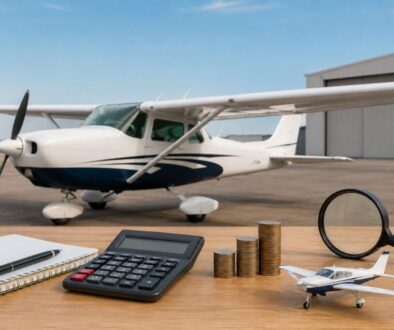
Here’s the big question: how much will this dream cost you? Surprisingly less than you think. Entry-level personal single seat airplanes can cost between $10,000 and $25,000 less than some used cars.
DIY kit options can cut costs further. Of course, higher-end models with composite materials and advanced avionics can reach $50,000 or more. But the real savings come from reduced hangar fees, maintenance, and fuel use.
Owning a small single seater isn’t just a passion purchase, it’s a financially savvy entry point into aviation, especially when compared to traditional two- or four-seaters.
What Can You Do With a Single Seat Airplane?
These compact aircraft aren’t just for show, they’re functional, fun, and surprisingly versatile. Many owners use single seat airplanes for weekend flights, short cross-country trips, or aerial photography. Others simply fly to unwind after work.
While they’re not meant for long hauls or passengers, the experience is unmatched. Imagine skimming over lakes at sunrise or exploring countryside fields from 1,000 feet up. Sure, you can’t bring friends, but that’s the point.
It’s aviation therapy, just for you. In a world that’s always noisy and crowded, one seat might be all the peace you need.

The Most Popular Single Seat Models
Choosing your plane is the fun part. Some of the best-known personal single seat airplanes include the AeroLite 103, Quicksilver MX, and Hummel UltraCruiser. Each offers something unique, from simplicity and low maintenance to speed and style.
The AeroLite is lightweight and FAA-compliant for no-license flying, while the Hummel provides a more refined, enclosed-cockpit feel. Some even build theirs from kits, adding a sense of pride to every flight.
Whether you prefer retro charm or modern composites, there’s a model for every kind of dreamer and every kind of budget.
Build or Buy: The Big Decision
Here’s where many enthusiasts pause: should you buy ready-made or build your own? Buying preassembled saves time and ensures flight readiness. But creating a kit popular among ultralight owners offers unmatched satisfaction and often lower costs.
Imagine crafting your own aircraft, bolt by bolt, then watching it lift off for the first time. However, be realistic, it takes time, patience, and precision. If you’re hands-on and curious, a kit might be perfect. If you just want to fly sooner, go turnkey.
Either way, the result is the same total freedom in your own machine.
Understanding Safety and Regulations
Flying may feel carefree, but safety is the golden rule. Even if your single seat airplane requires no license, you’re still governed by FAA Part 103 rules, maximum weight, speed, and fuel capacity apply.
Preflight checks, weather awareness, and maintenance habits can literally save your life. Think of it like motorcycling in the sky, the thrilling, but unforgiving of mistakes. Many ultralight pilots join local clubs for mentoring and training.
Remember, confidence comes from preparation. Fly smart, stay current, and never cut corners. The better your habits, the more you’ll enjoy every minute above the clouds.
Where Can You Fly?
One of the perks of owning a personal single seat airplane is flexibility, but you can’t just take off anywhere. Ultralights generally fly in uncontrolled airspace, away from busy airports and populated zones.
You can operate from grass fields, private property (with permission), or designated ultralight strips. Some pilots even launch from farms or lakesides. Always check local restrictions and airspace charts before flight.
It might sound limiting, but these remote areas often offer the most breathtaking views. Flying low and slow through open countryside beats congested airways any day, pure serenity in motion.
Maintenance and Storage Tips
It is easy to maintain a single seat airplane unlike bigger planes. Some basic maintenance involves the inspection of fuel lines, control cables, tires, and the engine prior to every flight. Due to the lightness and minimalism of these types of planes, repair is usually cheap and can be done at home.
Their owners keep them in small hangars, trailers, or even in their garages. It is a long way to keep it clean, dry and covered in terms of preserving performance. Do not overlook the instructions of the manufacturers and you can fly safely for many years.
Maintenance is not something done as an obligation, but as a ceremony of respecting your sky partner.
Is a Single Seat Airplane Right for You?
So, should you take the plunge? A single seat airplane may be what you desire, especially when you want the independence, simplicity and pure flight without the bureaucracy. But tell yourself the truth, can you bear the burden, the price and the correction which it requires?
Being a one owner means not only flying; it means living the original spirit of aviation, which is bravery, fascination, and liberty. It becomes, as one of the pilots said, when you are on your own and the horizon, you see how little you need.
It is not whether you can afford it or not, it is whether you can afford not to fly.
FAQs About Single Seat Airplanes
What is the 3 2 1 rule in aviation?
The 3-2-1 rule helps pilots know when to stop trying to land. It means if you’re not fully ready to land by 300 feet, 2 miles away, or 1 minute from the runway, you should go around. It keeps flying safely and gives you time to try again.
What is the crappiest plane?
Some people say the “crappiest” plane breaks down often or flies poorly, like the old Yak-42. But every plane teaches lessons about flying. Even a bad plane can make a good pilot better.
What is the best Cessna for beginners?
The Cessna 150 and Cessna 152 are great for new pilots. They’re small, easy to fly, and don’t use much fuel. These planes help beginners feel safe while learning.
What are the 5 C’s in aviation?
The 5 C’s are Climb, Communicate, Confess, Comply, and Conserve. Pilots use them when something goes wrong in the air. It helps them stay calm, safe, and in control.
What is the 5-20 rule in aviation?
The 5-20 rule means check everything 5 minutes before takeoff and 20 minutes after landing. It helps pilots catch small problems early. This simple habit keeps both pilot and personal single seat airplane safe.
Final Thoughts
Buying your first single seat airplane is a big and exciting step! These small planes are fun, easy to fly, and perfect for people who love freedom and adventure. Always remember to check safety rules, learn the basics, and care for your plane before every flight.
Flying solo gives you a special kind of peace, just you and the sky. If you ever need help with your plane’s equipment, Palm Beach Avionics is here for you. They offer trusted avionics repair, upgrades, and custom installations by certified experts.
Fly smart, stay safe, and enjoy every moment in the air.
40+ Years Serving South Florida in Avionics and Aircraft Maintenance
Palm Beach Avionics has been dedicated to providing top-notch avionics and aircraft maintenance services in South Florida for over four decades. Our team of highly skilled professionals takes pride in delivering exceptional quality workmanship, ensuring the safety and reliability of every aircraft we service.

Fact Checked For Accuracy
Our team has fact-checked this article for accuracy. Read about the editorial standards we employ on our website to ensure your safety and wellbeing.

About The Author
Rei Bayucca is a private jet enthusiast and professional writer. With many years of experience, she crafts articles that educate and inform her readers.