Aviation Acronyms for Pilots and Enthusiasts: Ultimate Guide
Published March 5, 2026
Flying can feel full of letters and codes. Every talk in the cockpit or over the radio uses short words called aviation acronyms. For pilots and people who love planes, knowing these shortcuts is very important.
In this guide, we will explain the most useful aviation acronyms. You will learn the basics that every private pilot needs. You will also see the acronyms that make flying easier and safer for advanced pilots.
Whether you want your own aviation acronyms cheat sheet or want to learn all aviation acronyms, this list will help. It will make flying and talking about flying simpler and faster.
Why Aviation Acronyms Matter
It is not merely steering a plane but remembering a significant number of things as well. Aviation acronyms assist pilots in doing so. They transform lengthy regulations, precaution measures and procedures into brief, memorable terms.
The flight plans, plane schemes and emergency. There is a lot that a private pilot needs to keep in mind. Acronyms enable one to remember them easily before and during a flight. Even those who love planes and passionately follow them can take advantage.
Knowing these acronyms will make you know about pilots, read charts and discuss flying. Knowing them makes flights easier and safer.
Pilot Safety Starts with PAVE
The PAVE checklist is your first line of defense before taking off. PAVE stands for Pilot, Aircraft, Environment, and External pressures. It reminds pilots to evaluate themselves, the plane, weather conditions, and outside influences that could impact safety.
For instance, if fatigue or stress is high, even the most experienced pilot might misjudge an approach. Using PAVE consistently turns decision-making into a habit, reducing human error. Even seasoned flyers admit skipping this step can lead to near misses.
This isn’t just theory, embracing PAVE creates confidence, sharpens judgment, and ultimately keeps both pilots and passengers safe.
IM SAFE: The Personal Check
Before a pilot even touches the controls, the IM SAFE acronym ensures they’re fit to fly. It stands for Illness, Medication, Stress, Alcohol, Fatigue, and Emotion/Eating. Ignoring these factors isn’t minor negligence, it can escalate risks dramatically.
Imagine taking off with untreated fatigue or the effects of a late-night medication; small errors quickly become critical. By following IM SAFE, pilots hold themselves accountable for their own well-being.
This personal safety check also reassures passengers that their pilot is focused and capable. Even experienced aviators treat IM SAFE as non-negotiable, it’s a mental and physical pre-flight insurance policy.
ARROW: Keep Your Documents in Check
Every aircraft must carry specific documents, and forgetting them can have serious legal consequences. ARROW stands for Airworthiness Certificate, Registration, Radio Station License (for international flights), Operating Limitations, and Weight & Balance.
Using this acronym transforms a dry pre-flight checklist into a memorable routine. Student pilots often struggle to remember all five items, but ARROW condenses the essentials into a single mental hook.
Beyond compliance, these documents ensure the aircraft is safe and ready for flight. Mastering ARROW early in training prevents delays, fines, or worse. It’s a practical example of how acronyms make aviation safer and more efficient.
AV1ATES: Airworthiness Made Simple
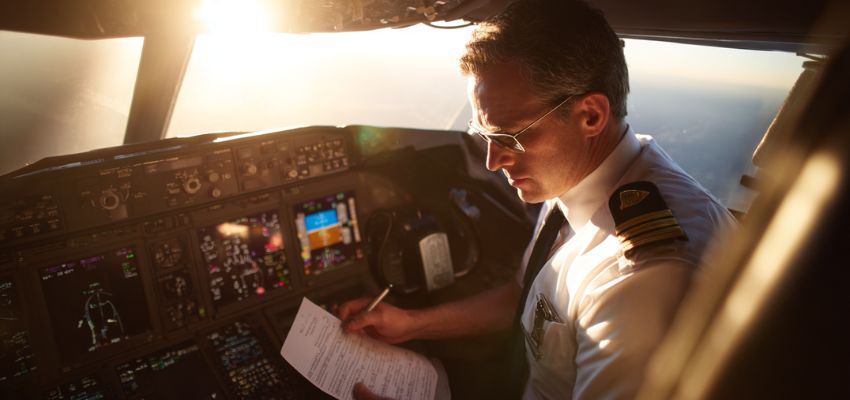
Planes need regular checks to stay safe, and AV1ATES helps pilots remember them. It stands for Annual inspection, VOR check, 100-hour inspection, Airworthiness Directives, Transponder, ELT, and Static system checks. These checks are not just rules, they stop accidents.
Skipping a test, like a transponder or ELT battery, could be very dangerous. AV1ATES makes safety part of daily habits for pilots. Pilots who learn this acronym usually don’t miss anything. Even plane fans can see how much work goes into keeping an aircraft safe.
Flying is fun, but it also needs care and discipline.
NWKRAFT: Flight Planning Simplified
Planning a flight can feel tricky, even for experienced pilots. NWKRAFT helps remember the most important things, NOTAMS, Weather, Known ATC delays, Runway lengths, Alternate airports, Fuel, and Takeoff and landing distances.
Missing even one of these could make a flight unsafe. Using NWKRAFT helps pilots check everything before leaving the ground. It also makes pre-flight briefings easier and less stressful. Student pilots who know this acronym look confident in front of instructors.
Plane fans can also see how much care goes into planning a safe flight.
A TOMATO FLAMES: VFR Requirements
Visual Flight Rules demand strict equipment compliance, summarized by A TOMATO FLAMES. Altimeter, Tachometer, Oil Pressure, Magnetic Compass, Airspeed, Temperature, Oil Temperature, Fuel, Landing Gear, Anti-Collision Lights, Manifold Pressure, Emergency equipment, Seat belts.
While it may seem like alphabet soup, each item is essential for a safe VFR flight. Forgetting one isn’t just a technical violation, it’s a hazard. Pilots often recite it like a mantra before flights, ensuring they’re prepared for any scenario.
For enthusiasts, knowing this acronym adds context when watching flights or visiting cockpits. It’s proof that memorization in aviation saves lives and prevents chaos.
IFR Acronyms: GRAB CARD D & MARVELOUS VFR C500
Instrument Flight Rules require a different set of mental tools. GRAB CARD D covers Generator, Radio, Attitude indicator, Ball, Clock, Altimeter, Rate of Turn, Directional gyro, DME/RNAV. MARVELOUS VFR C500 details mandatory IFR reports.
These acronyms streamline communication with ATC and ensure no critical equipment or procedure is overlooked. Pilots flying under IFR must recall them under pressure, often in low-visibility conditions.
Missing one element can trigger serious regulatory or safety consequences. Learning these acronyms early equips pilots for complex scenarios. Enthusiasts can see why IFR flying demands rigorous preparation, acronyms are not convenience; they are survival tools.
In-Flight Essentials: ANC & The 5 T’s
Even while flying, pilots use acronyms to stay safe. ANC means Aviate, Navigate, Communicate. It reminds pilots to fly the plane first, then think about other tasks. For holding patterns, pilots use the 5 T’s; Twist, Turn, Time, Throttle, Talk.
These help keep the plane steady and avoid mistakes. Student pilots quickly learn that skipping a step can cause problems. Even plane fans can see how these acronyms help pilots manage many tasks in the air. They make flying safer and less stressful.

Decision-Making with DECIDE & The 5 P’s
Pilots use special words to make smart choices. DECIDE stands for Detect, Estimate, Choose, Identify, Do, and Evaluate. The 5 P’s stand for Plane, Pilot, Plan, Programming, and Passengers.
These acronyms help pilots stay calm in emergencies and follow every step correctly. Even experienced pilots use them to avoid mistakes when time is short. Learning DECIDE and the 5 P’s is not just for school, it can save lives.
They help pilots think clearly and make safe choices for themselves, passengers, and the plane.
FAQs About Aviation Acronyms
What are the acronyms for pilot checklist?
Pilots use acronyms like IMSAFE, PAVE, and ARROW to check themselves, the plane, and documents before flying. These help remember safety steps quickly. They are part of any good aviation acronyms cheat sheet.
What are the 5 C’s of aviation?
The 5 C’s are Climb, Communicate, Confess, Comply, and Conserve. Pilots use them to handle emergencies safely. They make flying decisions faster and safer.
Why do pilots say Charlie Charlie?
“Charlie” is the radio letter for “C”, used to identify an aircraft on the radio. Pilots say it to make communication clear. It helps avoid confusion in the sky.
What are the 5 P’s in aviation?
The 5 Ps include Plane, Pilot, Plan, Programming and Passengers. Pilots ask these to remain safe and make good decisions. It is an easy method of retaining risks.
What are the 4 C’s of aviation?
There are 4 Cs; Command, Control, Communication and Coordination. They remind the pilots on how to fly safely among others. With their help mistakes in the air can be avoided.
Final Thoughts
Learning aviation acronyms makes flying safer and easier. From IMSAFE to A TOMATO FLAMES, each acronym helps pilots remember important steps, checks, and rules. Even beginners can use these shortcuts to understand what pilots do before and during a flight.
Keeping a small aviation acronyms cheat sheet handy is smart for students, private pilots, or anyone curious about flying. Remember, practice and repetition make these acronyms second nature, helping you stay confident in the cockpit.
For expert help with aircraft systems or avionics, Palm Beach Avionics offers repairs, installations, and custom panels to keep your plane ready to fly safely.
40+ Years Serving South Florida in Avionics and Aircraft Maintenance
Palm Beach Avionics has been dedicated to providing top-notch avionics and aircraft maintenance services in South Florida for over four decades. Our team of highly skilled professionals takes pride in delivering exceptional quality workmanship, ensuring the safety and reliability of every aircraft we service.

Fact Checked For Accuracy
Our team has fact-checked this article for accuracy. Read about the editorial standards we employ on our website to ensure your safety and wellbeing.

About The Author
Rei Bayucca is a private jet enthusiast and professional writer. With many years of experience, she crafts articles that educate and inform her readers.