Understanding Slip vs Skid: Tips for Better Aircraft Control
Published March 22, 2026
Mastering aircraft control starts with understanding one subtle but critical concept: slip vs skid. Many pilots struggle to feel the difference, yet misjudging it can quickly lead to unstable, even dangerous flight conditions. Why do some turns feel smooth while others seem off-balance?
The answer lies in how your aircraft moves through the air, and how you coordinate it. In this guide, you’ll uncover the psychology behind control inputs, learn the real risks of a skid vs slip, and discover practical techniques to stay coordinated, confident, and in command every time you take to the skies.
The Moment the Ball Betrays You
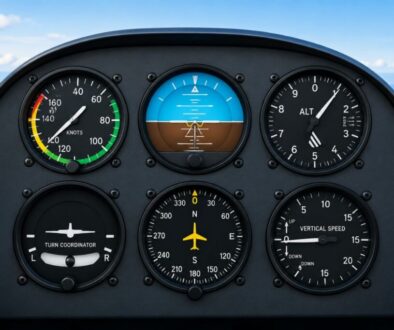
Every pilot remembers that uneasy glance at the turn coordinator when the ball slides off-center. It’s subtle, almost easy to ignore, until the aircraft feels strangely disconnected. Have you ever wondered why a perfectly banked turn suddenly feels “off”? That’s your first real encounter with slip vs skid aviation in action.
This isn’t just about instruments; it’s about sensation, awareness, and trust in your inputs. When coordination slips away, so does efficiency and safety. Recognizing that moment early is what separates reactive flying from intentional control and ultimately defines how confident you are in the cockpit.
What Exactly Is a Slip Turn?
Picture this, you bank into a turn, but something feels like it’s dragging inward. That’s a slip. In a slip vs skid turn, a slip happens when the aircraft moves slightly toward the inside of the turn, almost like it’s falling into it.
This usually comes from too much bank for the rate of turn or not enough rudder. The nose points slightly outside, creating that sideways sensation. Surprisingly, not all slips are bad. In fact, skilled pilots intentionally use them.
The real question isn’t “Is this wrong?” but “Am I doing this on purpose, or losing control without realizing it?”
When a Skid Sneaks In
Now flip the situation. You’re turning, but instead of falling inward, the aircraft feels like it’s being pushed outward. That’s a skid vs slip scenario, and this one deserves your attention. A skid happens when there’s too much rudder for the bank angle, forcing the aircraft away from the turn’s center.
The nose points inside, and everything feels rushed and tight. It’s easy to accidentally enter a skid, especially when trying to “force” a turn. The danger? It feels controlled, until it suddenly isn’t. That false sense of stability is what makes skids particularly deceptive and risky.
Slip vs Skid: Spotting the Difference Fast
In the heat of flying, you don’t have time for theory, you need quick recognition. So how do you tell slip vs skid apart instantly? Look at the ball. If it drifts inside the turn, you’re in a slip. If it moves outside, you’re in a skid. Simple, but critical.
The psychology here matters, pilots often chase the ball, overcorrecting and bouncing between both states. That creates instability instead of fixing it. The goal isn’t perfection; it’s awareness. Once you can quickly identify whether you’re in a slip vs skid situation, you gain the power to correct smoothly instead of reacting impulsively.
Why Skids Can Turn Dangerous
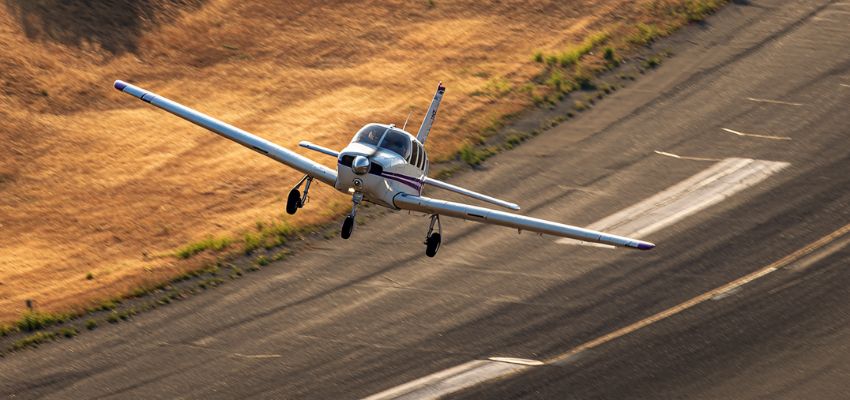
Here’s the bold truth, not all uncoordinated turns are equal. Between skid vs slip aviation scenarios, skids carry far greater risk. Why? Because they can lead to a cross-controlled stall, one of the most dangerous situations in flight.
Imagine the inner wing stalling first while already low, pulling the aircraft into a spin. It can happen fast, especially during low-speed turns like base to final. This isn’t meant to scare you, it’s meant to sharpen your awareness.
The surprising part? Many pilots unintentionally create skids while trying to “fix” their alignment. Understanding this risk changes how you approach every turn.
Why Slips Are Sometimes Your Best Tool
Not everything about slip vs skid is negative. In fact, slips can be incredibly useful when done intentionally. Need to lose altitude quickly without gaining speed? A forward slip can help. Dealing with crosswinds? A sideslip keeps you aligned with the runway.
This is where skill meets strategy. The difference between a beginner and an experienced pilot often lies in how confidently they use slips as a tool rather than fear them as a mistake. The key is control and awareness.
When you choose to slip, you’re not losing coordination, you’re using it in a controlled, purposeful way.
The Psychology Behind Overcorrection
Let’s be honest, most pilots don’t enter a skid or slip on purpose. It often starts with overthinking. You see the ball move, you react quickly, and suddenly you’ve added too much rudder or bank. Sound familiar? This is where human psychology plays a role in slip vs skid aviation.
The instinct to “fix it fast” often makes things worse. Smooth, measured corrections are far more effective than aggressive inputs. The cockpit rewards patience. Next time the ball drifts, ask yourself, am I correcting, or chasing? That simple awareness can dramatically improve your coordination and confidence in flight.
Coordinated Turns: The Gold Standard
At the heart of the slip vs skid discussion is one goal: coordination. A coordinated turn feels smooth, balanced, and predictable. The aircraft isn’t slipping or skidding, it’s simply turning. Achieving this requires harmony between aileron, rudder, and pitch.
But here’s the interesting part, coordination changes with speed. Faster aircraft need different bank angles than slower ones. That means coordination isn’t a fixed skill, it’s dynamic. The real value of mastering coordinated turns isn’t just comfort; it’s efficiency, safety, and precision.
When everything aligns, flying feels effortless, and that’s when you know you’re doing it right.
Real-World Scenario: Base to Final Turn
Imagine turning from base to final on approach. You’re slightly off centerline, and there’s pressure to correct quickly. This is where many slip vs skid mistakes happen. Pilots often add rudder to tighten the turn instead of adjusting bank angle.
That creates a skid, right when you’re low and slow. It’s one of the most common accident scenarios in aviation. The better move? Stay coordinated, adjust your bank properly, and accept a wider turn if needed.
The runway will still be there. This moment highlights a powerful truth that safety often comes from resisting the urge to “force” the aircraft.
How to Stay in Control Every Time
So how do you consistently avoid slip vs skid issues? It comes down to discipline and awareness. Keep your eyes on the ball, but don’t obsess over it. Use smooth, coordinated inputs instead of abrupt corrections.
Understand how speed affects your bank angle, and anticipate changes before they happen. Most importantly, practice intentionally, experience builds instinct. Ask yourself during every turn, does this feel balanced? Because in the end, instruments guide you, but feeling confirms it.
Mastering slip vs skid isn’t about memorizing rules, it’s about developing a deeper connection with how your aircraft responds in every phase of flight.
FAQs About Slip vs Skid
How to remember slip vs skid?
Think of slip vs skid like this: a slip goes inside, and a skid goes outside. Just remember, “step on the ball” to fix both.
What is the 3 to 1 rule for pilots?
The 3 to 1 rule helps you go down slowly when landing. For every 3 miles forward, you go down 1,000 feet.
What is the difference between skidding and slipping aircraft?
In a slip vs skid turn, a slip moves the plane inside the turn. A skid pushes the plane outside the turn.
What is the difference between skidding and sliding?
Skidding is when a plane turns wrong in the air. Sliding is when something moves sideways on the ground.
Does stall speed increase in a slip?
In most slip vs skid aviation cases, stall speed does not change much in a slip. But it can feel different, so pilots must stay careful.
Final Thoughts
Learning slip vs skid is very important for every pilot. These turns may look small, but they can change how safe your flight is. A slip goes inside, and a skid goes outside, so always watch the ball and stay balanced. Try to make smooth and gentle moves when you turn.
If something feels wrong, fix it slowly and calmly. For extra help, Palm Beach Avionics can support your aircraft with repairs, upgrades, and expert care. With skilled, certified technicians, they help keep your plane safe, strong, and ready to fly every time.
40+ Years Serving South Florida in Avionics and Aircraft Maintenance
Palm Beach Avionics has been dedicated to providing top-notch avionics and aircraft maintenance services in South Florida for over four decades. Our team of highly skilled professionals takes pride in delivering exceptional quality workmanship, ensuring the safety and reliability of every aircraft we service.

Fact Checked For Accuracy
Our team has fact-checked this article for accuracy. Read about the editorial standards we employ on our website to ensure your safety and wellbeing.

About The Author
Rei Bayucca is a private jet enthusiast and professional writer. With many years of experience, she crafts articles that educate and inform her readers.