
Visual Flight Rules Explained: Avoid These 3 Common Mistakes
Published April 23, 2026
Mastering visual flight rules can feel straightforward until small mistakes turn into serious risks. Many pilots think VFR is simply “see and avoid,” but that mindset can lead to costly errors. So, what are visual flight rules really, and why do even experienced aviators slip up?
In this guide, we’ll break down VFR visual flight rules in a clear, practical way, uncover the psychology behind common misjudgments, and compare visual flight rules vs instrument flight rules.
Whether you’re a student pilot or brushing up your skills, you’ll discover three critical mistakes and how to avoid them before they happen.
What Are Visual Flight Rules, and Why Do Pilots Misunderstand Them?
You may have heard that visual flight rules (VFR) are just go out there and fly. Sounds simple, right? It is at this point where most pilots fail. As a matter of fact, what then are the visual flight rules except a systematic mechanism established on the basis of visibility, weather minimums and constant situation awareness?
Imagine a student pilot on a clear day and he suddenly gets into haze and confidence is lost very quickly. VFR is not about cloudless skies, it is about judgment. Seeing is not the challenge, it is all about when you cannot see it with your eyes.
It is that slight difference that most errors start with.
Mistake #1: Trusting Good Weather Too Much
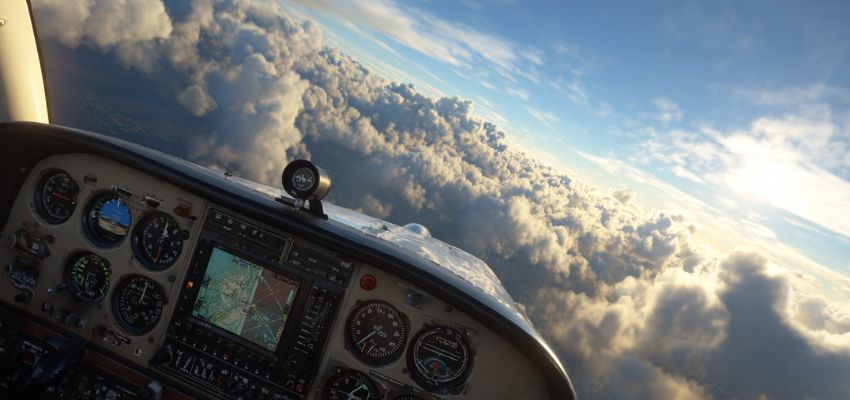
Clear skies can create a false sense of security. Many pilots assume that if conditions look fine at departure, they’ll stay that way. But weather is unpredictable and fast-changing. A common trap in VFR visual flight rules is underestimating how quickly visibility can deteriorate.
Ask yourself, would you recognize marginal conditions before they become dangerous?
Typical Weather Pitfalls Under VFR:
- Gradual visibility reduction (haze or smoke)
- Unexpected cloud build-up
- Overconfidence in forecasts
Smart pilots treat weather as dynamic, not static. The bold truth? Good weather at takeoff doesn’t guarantee a safe landing.
Mistake #2: Ignoring Airspace and Navigation Limits
Freedom is one of the biggest appeals of visual flight rules, but it can also lead to complacency. Unlike structured routing in visual flight rules vs instrument flight rules, VFR pilots choose their path, within limits. Miss those limits, and you risk violations or worse.
Imagine cruising confidently, only to realize you’ve entered restricted airspace. It happens more often than you think.
|
Factor |
VFR Reality |
Hidden Risk |
|
Route Choice |
Flexible |
Easy to misjudge airspace |
|
Navigation |
Visual landmarks |
Landmarks can disappear |
|
ATC Support |
Limited |
Less traffic guidance |
Freedom without discipline can quickly become a liability.
Mistake #3: Overestimating Your Own Situational Awareness
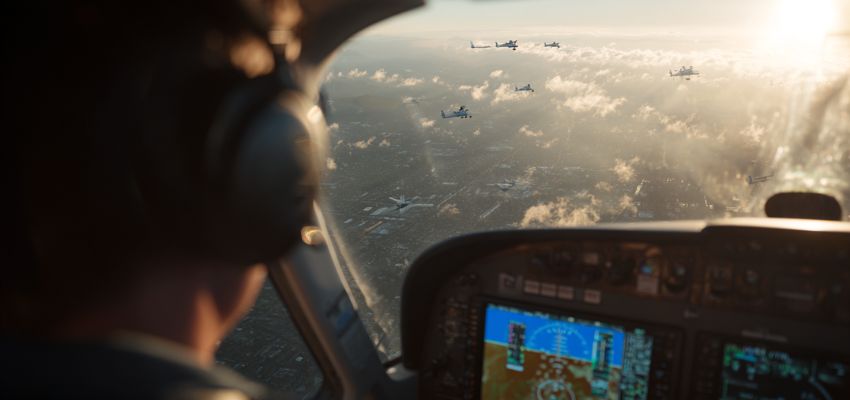
Here’s the uncomfortable truth: most pilots believe they’re more aware than they actually are. Under visual flight rules (VFR), you’re responsible for traffic separation, terrain clearance, and decision-making. That’s a heavy cognitive load.
A moment of distraction, checking instruments, adjusting controls, and you miss critical visual cues. Sound familiar? Experienced instructors often say, “The sky doesn’t forgive assumptions.” Confidence is essential, but overconfidence is dangerous.
The best VFR pilots constantly question what they see, double-check their environment, and stay mentally ahead of the aircraft. Because in VFR flying, awareness isn’t optional, it’s everything.
FAQs About Visual Flight Rules
What are the visual flight rules?
Simple flying rules are visual flight rules, and in this case, pilots rely on their eyes to see outside and keep safe. Visual flight rules (VFR) require pilots not to fly around the clouds and observe other aircraft.
What are the three laws of flight?
The three laws of flight are flight, thrust, and drag. These assist the plane to ascend, propel and decelerate.
What is the 3-to-1 rule for pilots?
The 3-to-1 rule assists pilots with awareness on when to descend to land. Each 3 miles of forward movement of the plane drops 1,000 feet.
What are the 5 C’s of flight?
There are 5 Cs of flight: climb, cruise, control, communication, and caution. These assist the pilots to fly safely and smoothly.
Why avoid seat 11A on a plane?
Some planes have no window at seat 11A. People avoid it because they cannot see outside.
Final Thoughts
Flying under visual flight rules (VFR) can feel easy, but small mistakes can quickly become big problems. Pilots must always watch the sky, follow rules, and stay alert to avoid danger. Even in good weather, things can change fast, so never get too relaxed.
Always plan your flight, check your path, and stay aware of other aircraft. If you want safer flying and better aircraft care, trusted experts like Palm Beach Avionics can help with repairs, upgrades, and avionics support to keep planes ready and reliable.
Good flying is about smart choices, not just clear skies and confidence.
40+ Years Serving South Florida in Avionics and Aircraft Maintenance
Palm Beach Avionics has been dedicated to providing top-notch avionics and aircraft maintenance services in South Florida for over four decades. Our team of highly skilled professionals takes pride in delivering exceptional quality workmanship, ensuring the safety and reliability of every aircraft we service.

Fact Checked For Accuracy
Our team has fact-checked this article for accuracy. Read about the editorial standards we employ on our website to ensure your safety and wellbeing.

About The Author
Rei Bayucca is a private jet enthusiast and professional writer. With many years of experience, she crafts articles that educate and inform her readers.