
Jet Fuel vs Kerosene: Which One Powers Your Aircraft?

Published April 17, 2026
Ever wondered whether the fuel powering a jet engine is different from the kerosene you might associate with heaters? The debate around jet fuel vs kerosene is more relevant than most travelers realize.
While both share a similar origin, their performance, safety standards, and additives set them apart. In this guide, we break down kerosene vs jet fuel in simple terms, explore jet fuel vs kerosene vs diesel, and even compare kerosene vs diesel vs jet fuel for clarity.
You’ll discover how jet A fuel vs kerosene differs in aviation use, and why these distinctions matter for aircraft performance today.
What People Get Wrong About Aviation Fuel
Most travelers assume jet fuel and kerosene are completely different, but that confusion leads to a bigger question: are we misunderstanding how aircraft are powered? The truth behind jet fuel vs kerosene challenges everyday assumptions about “special” aviation fuels.
When someone asks, “Is jet A fuel vs kerosene really that different?”, the answer is surprisingly layered. Both originate from crude oil, yet their treatment changes everything. Think about it, why would aviation rely on something so similar to lamp fuel? The psychology here is simple.
We trust planes more when the science sounds complex, even when it’s not.
The Hidden Chemistry Behind Both Fuels
At a molecular level, kerosene vs jet fuel looks almost identical, and that’s where most people get surprised. Both fall within the same hydrocarbon range, meaning their energy output is closely matched. So why not just use one for everything? Because refining creates purpose.
Jet fuel is engineered for altitude, pressure, and temperature extremes. Kerosene, meanwhile, is more general-purpose. When comparing jet fuel vs kerosene vs diesel, the differences come down to refinement steps rather than raw material.
It’s a reminder that small chemical tweaks can decide whether a fuel powers a stove or a jet at 35,000 feet.
Why Jet Engines Demand Special Fuel
Aircraft engines don’t just burn fuel, they depend on precision. That’s why jet A fuel vs kerosene becomes a critical comparison. Jet fuel is designed to resist freezing at high altitudes while maintaining stability under pressure changes.
Imagine flying where temperatures drop below -40°C, standard kerosene would struggle. Engineers often ask, what happens if fuel fails mid-flight? The answer is obvious and terrifying. This is why aviation standards are strict.
Jet fuel isn’t “better” by accident; it’s optimized for environments where failure is not an option.
Kerosene’s Everyday Versatility You Didn’t Expect
Unlike aviation-only fuels, kerosene vs jet fuel comparisons highlight how flexible kerosene really is. It powers heaters, lamps, and even industrial equipment in many parts of the world. That raises a surprising thought.
The same family of fuel that lights homes can also contribute to aviation. This dual identity makes kerosene more accessible and widely distributed. But here’s the controversial twist, simplicity is both its strength and limitation.
It’s not engineered for extreme flight conditions, yet it remains a global staple because it’s cheap, stable, and easy to store.

The Role of Diesel in the Fuel Comparison
When people explore kerosene vs diesel vs jet fuel, things get more interesting. Diesel sits in between, sharing traits with both aviation and heating fuels. It’s heavier, slower-burning, and designed for compression engines rather than turbines.
So why include it in the debate? Because it highlights how small shifts in carbon chain length change performance entirely. In emergencies, some diesel-like fuels overlap with kerosene behavior, but jet engines reject that flexibility.
It’s a reminder that fuel classification is less about names and more about engineering precision.
Additives That Make Aviation Fuel Safer
Jet fuel vs kerosene differences become more visible when additives enter the equation. Jet fuel contains anti-icing agents, corrosion inhibitors, and stabilizers that kerosene usually lacks. These chemicals answer a critical question, how do you prevent fuel from failing at high altitude? The surprising part is how little of this is visible to passengers.
Everything happens behind the scenes, quietly ensuring safety. Without these additives, fuel lines could freeze or degrade mid-flight. That invisible chemistry is what separates “usable fuel” from “aviation-grade fuel.”
Why Standardization Matters in Aviation
One major advantage in jet fuel vs kerosene discussions is global consistency. Jet fuel follows strict international standards, meaning a plane can refuel anywhere with predictable performance. Kerosene, however, varies by region and use.
This raises an important question: would global aviation even work without standard fuel rules? Probably not. Standardization ensures pilots don’t gamble with performance differences. It also builds trust across airlines, airports, and countries.
In aviation, consistency isn’t a luxury, it’s survival.
Energy Output: Why They Feel Similar
Surprisingly, kerosene vs jet fuel energy content is nearly identical. Both deliver high energy per kilogram, making them efficient for combustion. So if they’re so similar, why the distinction? The answer lies in conditions, not power.
Jet fuel performs consistently under stress, while kerosene performs well under normal conditions. This subtle difference explains why aircraft can’t rely on generic fuels. It’s not about how much energy is produced, it’s about how predictably it’s delivered when everything around it changes rapidly.
Emergency Substitution: Fact or Risky Myth?
A controversial topic in jet fuel vs kerosene discussions is whether kerosene can replace jet fuel in emergencies. Technically, it sometimes can, but with risks. Pilots and engineers know this is not standard practice, yet history shows rare cases where substitution was necessary.
The real question is, should “similar” ever be good enough in aviation? The answer leans toward caution. Even slight differences in freezing point or additives can affect engine safety. Similar chemistry doesn’t guarantee identical performance under pressure.
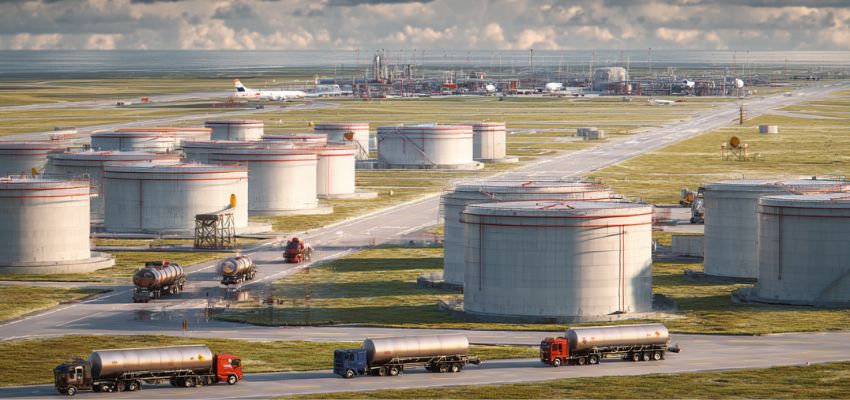
Industrial Scale and Global Availability
Looking at kerosene vs jet fuel vs diesel from a supply chain perspective reveals another difference which is accessibility. Kerosene is widely available, while jet fuel is restricted to aviation infrastructure. This makes kerosene cheaper and easier to distribute globally.
But aviation demands controlled environments, so accessibility isn’t always an advantage. Instead, it introduces variability risks. The surprising truth is that fuel availability shapes industries as much as fuel chemistry does.
What’s easy to get isn’t always what’s safe to fly with.
FAQs about Jet Fuel vs Kerosene
Why do jets use kerosene instead of gas?
Jets use kerosene because it burns safely and works well at very high altitudes. Gas would be too risky and not stable enough for flying planes.
How much will jet fuel cost in 2026?
Jet fuel prices in 2026 will change depending on oil prices and location. It may cost different amounts in each country and airport.
Can I run my car on avgas?
No, cars should not use avgas because it is made for airplane engines. It can damage a car engine and is not safe for normal driving.
What burns hotter, jet fuel or kerosene?
Jet fuel and kerosene burn at almost the same rate because they are very similar. The difference is small and depends on how they are made.
Why avoid seat 11A on a plane?
Some people say seat 11A has less comfort or a smaller window view on certain planes. But it is not dangerous and depends on the airplane type.
Final Thoughts
Airplanes use special fuel to fly safely in the sky. Jet fuel vs kerosene helps us understand that they look similar, but jet fuel is made for flying very high and in very cold air. Kerosene is used for many other things in daily life.
Using the wrong fuel can cause big problems for an aircraft. That is why safety rules are very strict in aviation. Understanding kerosene vs jet fuel vs diesel helps us learn why each fuel has a job.
Companies like Palm Beach Avionics help keep aircraft systems working well so every flight stays safe and smooth.
40+ Years Serving South Florida in Avionics and Aircraft Maintenance
Palm Beach Avionics has been dedicated to providing top-notch avionics and aircraft maintenance services in South Florida for over four decades. Our team of highly skilled professionals takes pride in delivering exceptional quality workmanship, ensuring the safety and reliability of every aircraft we service.

Fact Checked For Accuracy
Our team has fact-checked this article for accuracy. Read about the editorial standards we employ on our website to ensure your safety and wellbeing.

About The Author
Rei Bayucca is a private jet enthusiast and professional writer. With many years of experience, she crafts articles that educate and inform her readers.