Debunking Common Myths About Autopilots in Aviation

Published June 23, 2025
When you hear the word “autopilot,” do you picture a plane flying itself while the pilots relax with coffee and chat? If so, you’re not alone. Autopilots are one of the most misunderstood parts of aviation. There’s a lot of buzz about what they can and can’t do, but not all of it is true.
We’re here to clear the air by addressing some of the biggest myths about autopilots. By the end, you’ll have a better understanding of how these systems actually work and just how important pilots still are.
Myth 1: Autopilots Fly the Plane by Themselves
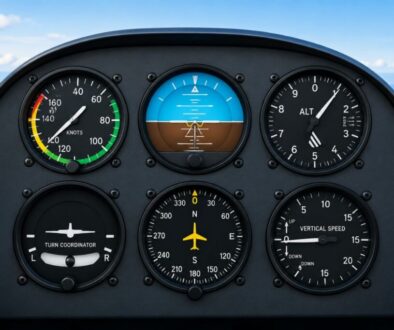
This is probably the most common myth out there. Many people think autopilots handle everything, rendering the need for pilots practically nonexistent. The truth? Autopilots play more of a supporting role. Imagine them as an extra pair of highly skilled hands that help with routine tasks like keeping the plane steady, maintaining altitude, or following a set path.
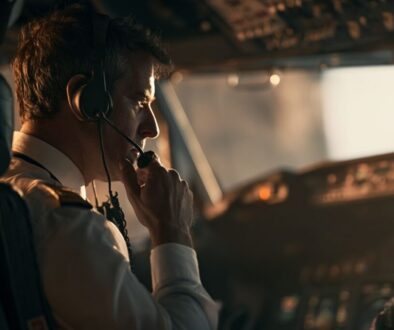
But who tells the autopilot what to do? The pilots! They set the autopilot’s instructions and are always in control. If something unexpected happens, like bad weather or turbulence, pilots take over to make adjustments.
A Real-Life Example
Pilots usually control the takeoff and landing themselves because those parts of the flight need the human touch. Even when cruising, the pilots closely monitor what the autopilot is doing.
Myth 2: Autopilots Make Flying 100% Safe
Autopilots make flying much safer, sure, but they aren’t perfect. Like any technology, they can only work with the information they’re given. If a sensor malfunctions or some data is inaccurate, the autopilot might get confused.
That’s why pilots keep a close eye on the system. They step in when things go wrong, managing situations that autopilots can’t handle, like sudden mechanical problems or extreme storms.
Myth 3: Autopilots Are New Technology
You might think autopilots are a modern invention, but they’ve actually been around for over a century! The first autopilot was created in 1914 by the Sperry Gyroscope Company. Back then, it was a pretty simple system designed to help the plane maintain a straight and level flight.
Over the years, these systems have become much more advanced. Today, autopilots can handle complex tasks like plotting a flight path and even navigating landings in some cases, but the technology still relies on pilots to manage and oversee it.
Myth 4: Small Planes Don’t Use Autopilots
It’s not just large planes or airliners that use autopilots; smaller planes use them too. Autopilot systems in small aircraft perform many of the same tasks, like controlling altitude and direction. Some even include advanced features found in big commercial jets.
If you’re flying a smaller plane with a three-axis autopilot, it can assist in managing pitch, roll, and yaw for a smoother experience.

Myth 5: Autopilots Take the Fun Out of Flying
If you’re someone who loves to fly manually, you might worry that autopilots make flying feel, well, boring. But here’s the thing,
they don’t take away the joy of flying! Autopilots take care of repetitive tasks, like maintaining altitude on long trips, so pilots can focus on higher-level tasks like navigating and planning.
Pilots can still take control and fly manually whenever they want, like during scenic flights or short travels. Autopilots just make things easier when you need them.
Myth 6: Autopilots Are Hard to Use
Years ago, operating an autopilot system required a lot of technical know-how. These days, they’re designed to be simple. Many modern autopilots come with touchscreens, clear instructions, and user-friendly interfaces. Some even incorporate voice commands to make them more intuitive.
Whether you’re a seasoned pilot or someone newer to aviation, today’s systems are approachable and designed to boost confidence.
Upgrade Your Aircraft with Palm Beach Avionics
If you’re thinking about upgrading to a better autopilot system or improving your aircraft’s technology, Palm Beach Avionics is your go-to resource. They specialize in providing top-notch avionics solutions for both small and large planes. Whether you’re interested in advanced autopilot systems or need expert advice and maintenance, their team has you covered.
Their mission is simple, to help pilots access the best tools and technology available. From modernizing your cockpit to keeping your plane in excellent condition, Palm Beach Avionics is here to make your flying experience safer and more efficient. Check them out to see how they can help upgrade your next flight!
Final Thoughts
Autopilots are incredible technology, but they’re often misunderstood. They’re not magical machines that take over a plane, nor do they make pilots unnecessary. Instead, they’re tools that assist pilots in making flights smoother, safer, and more enjoyable.
The next time someone says, “Planes practically fly themselves,” you’ll know exactly how to break down the facts. After all, autopilots are here to support human pilots, not replace them. And that’s a partnership all passengers can appreciate.
40+ Years Serving South Florida in Avionics and Aircraft Maintenance
Palm Beach Avionics has been dedicated to providing top-notch avionics and aircraft maintenance services in South Florida for over four decades. Our team of highly skilled professionals takes pride in delivering exceptional quality workmanship, ensuring the safety and reliability of every aircraft we service.

Fact Checked For Accuracy
Our team has fact-checked this article for accuracy. Read about the editorial standards we employ on our website to ensure your safety and wellbeing.

About The Author
Rei Bayucca is a private jet enthusiast and professional writer. With many years of experience, she crafts articles that educate and inform her readers.