Trainer to Turbine: Types of Airplanes Explained

Published November 21, 2025
Airplanes come in many shapes and sizes, and each one has a special job in the sky. But with so many designs, it can be hard to know where to start. In this guide, we will explore the types of airplanes in a simple, fun way.
Have you ever wondered, “How many types of airplanes are there?” or “What are the different types of airplanes?” You’re not alone. Many people ask the same thing. By the end, you will see how planes grow from small trainers to strong turbines, and why each type matters.
1. Small Trainer Planes: Where Flying Begins
Trainer planes are the first step for many new pilots. These planes are small, light, and easy to control. Many people ask, “What are the different types of airplanes?” and trainer planes are often the answer they meet first.
These planes help pilots learn how to turn, climb, and land without fear. Think of them as the “school desks” of the sky. They may look simple, but they teach big skills. Without trainers, pilots would not feel safe in faster planes.
Trainer planes show us that even small wings can lead to big dreams.
2. Sport and Fun Planes: Made for Play
Sport planes are for fun, joy, and sky playtime. These planes are light and move fast, and pilots use them when they want to feel free. These planes are made for people who love to fly just for the smile it brings. They can flip, spin, and make big turns.
Some people think sport planes are scary, but many say, “It feels like dancing in the clouds.” These planes also show why the types of airplanes matter, because not all planes are for travel, some are for pure fun.
3. Business Jets
Feel smooth and strong in the air. Some say, “It feels like flying in a quiet bubble.” Even though they are tiny compared to airliners, they can cross oceans. It may surprise you how much power fits inside such a small body.
4. Big Passenger Planes: The Sky Buses
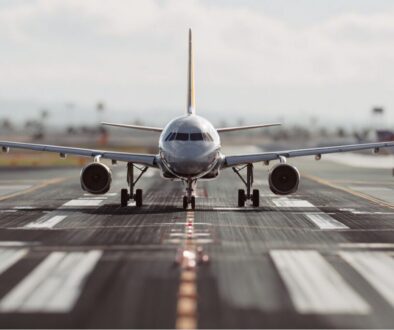
Passenger planes are the airplanes most people know. They carry families, friends, and bags across towns, seas, and whole continents. These “sky buses” are much bigger than trainer or sport planes. They have many seats, strong wings, and tall tails.
Every time you fly on one, you are on a giant machine built to keep you safe. They show the value of good design and careful work. Many people wonder, “What are the different types of airplanes?” These big planes are one important type because they bring the world closer.

5. Cargo Planes: The Heavy Lifters
Cargo planes do not carry people. They carry boxes, cars, food, and sometimes whole animals. They are like giant sky trucks. These planes have wide doors and big floors to fit loads of things. The surprise is that some cargo planes are even bigger than passenger planes.
Without them, many stores would be empty. They help move items fast across the world. When thinking about the types of airplanes, cargo planes remind us that flying is not only for travel, it keeps goods moving too.
6. Fighter Jets: Fast, Loud, and Bold
Fighter jets are built for speed and sharp moves. They fly faster than almost any other airplane. Some people think they look scary, but others say they look like sky superheroes. They protect countries and help keep the sky safe. They can climb high, move quick, and turn fast.
These jets also show a bold side of flying that surprises many people. When asking, “How many types of airplanes are there?” fighter jets show that some planes have very special jobs. Their power and shape make them stand out.
7. Helicopters: The Spinners of the Sky
Helicopters are a very different type of aircraft. Instead of wings, they use spinning blades to lift up. This lets them move up, down, and sideways. They can even hover in one spot, as if standing still in the air.
Many people are shocked by how they work because they do not fly like normal planes. Helicopters help with rescue work, move sick people, and reach tight places. They show that the types of airplanes are wider than people think.
Their special shape lets them do jobs most planes cannot.
8. Seaplanes: Planes That Love Water
Seaplanes are airplanes that can land on water. They have floats or “boat-shaped” bottoms that help them rest on lakes or the sea. Many travelers use them to reach islands with no airports. These planes make flying feel like a mix of boat and sky.
They surprise people because they can take off right from the waves. Seaplanes show that flying is not just about runways. They prove that the sky can start anywhere, even on water. When thinking about the types of airplanes, seaplanes remind us that flying can be bold and fun.
9. Gliders: Flight Without Power
Gliders have no engines. They fly by using wind and rising air. Some people say, “It feels like floating.” These planes are very quiet, and pilots love the calm sound of the breeze. Gliders show that flight does not always need noise or fuel.
They teach pilots to understand the air and find the right wind paths. Many people are surprised that a plane can stay up with no power at all. Gliders answer the “why” behind flight, wings and air work together. This type of airplane shows the soft side of flying.

10. Turbine Planes: Strong, Fast, and Ready
Turbine planes use turbine engines, which are strong and quick. These engines help planes climb fast and carry more weight. Turbine planes include jets, turboprops, and other power-packed types. Many pilots call them “the workhorses of the sky.”
When learning about the types of airplanes, turbine planes show how power shapes what a plane can do. They surprise people with their mix of speed, strength, and smooth flight. Some turbines push big jets, while others help small planes rise with ease.
They mark the final step from beginner planes to tough machines.
FAQs
What are the different types of airplane turbines?
Airplane turbines come in a few main kinds. The most common ones are turbojets, turboprops, turbofans, and turboshafts. Each one works in a special way to push the plane forward. These engines help many types of airplanes fly fast, high, and smooth.
What are the 4 types of turbines?
- The four main turbine types are:
- Turbojet – simple and fast
- Turboprop – uses a propeller
- Turbofan – used on big jets
- Turboshaft – used mostly on helicopters
What types of planes use turboprops and turbofans?
Turboprops are used on small to medium planes, like short-trip passenger planes and cargo planes. They are good for takeoffs and landings on short runways. Turbofans are used on large airliners, long-trip jets, and many modern passenger planes. They are quiet, smooth, and great for long flights.
What is the best basic trainer aircraft?
Many teachers and students love the Cessna 172. It is simple, safe, and easy to fly. This makes it one of the best basic trainer planes used today. It helps new pilots learn before moving to bigger types of airplanes.
What is the easiest aircraft to learn to fly?
The easiest aircraft for most beginners is a small single-engine trainer, like the Cessna 152 or Cessna 172. These planes are light, calm, and steady. They help new pilots learn the basics without stress when they first ask, “What are the different types of airplanes?”
Final Thoughts
Airplanes have changed a lot over the years, growing from small trainer planes to strong turbine aircraft that can fly fast and far. Each type of airplane has a special purpose, and each turbine, turbojet, turboprop, turbofan, and turboshaft, helps make flying safer and better.
When people ask, “How many types of airplanes are there?” the answer shows how creative flight has become. And behind every great plane is great care. That’s why companies like Palm Beach Avionics play an important role.
With trusted technicians and over 40 years of experience, they help keep aircraft systems strong, safe, and ready for the sky.
40+ Years Serving South Florida in Avionics and Aircraft Maintenance
Palm Beach Avionics has been dedicated to providing top-notch avionics and aircraft maintenance services in South Florida for over four decades. Our team of highly skilled professionals takes pride in delivering exceptional quality workmanship, ensuring the safety and reliability of every aircraft we service.

Fact Checked For Accuracy
Our team has fact-checked this article for accuracy. Read about the editorial standards we employ on our website to ensure your safety and wellbeing.

About The Author
Rei Bayucca is a private jet enthusiast and professional writer. With many years of experience, she crafts articles that educate and inform her readers.