
6 Pack Instruments in Aircraft: Names & Key Functions
Published September 11, 2026
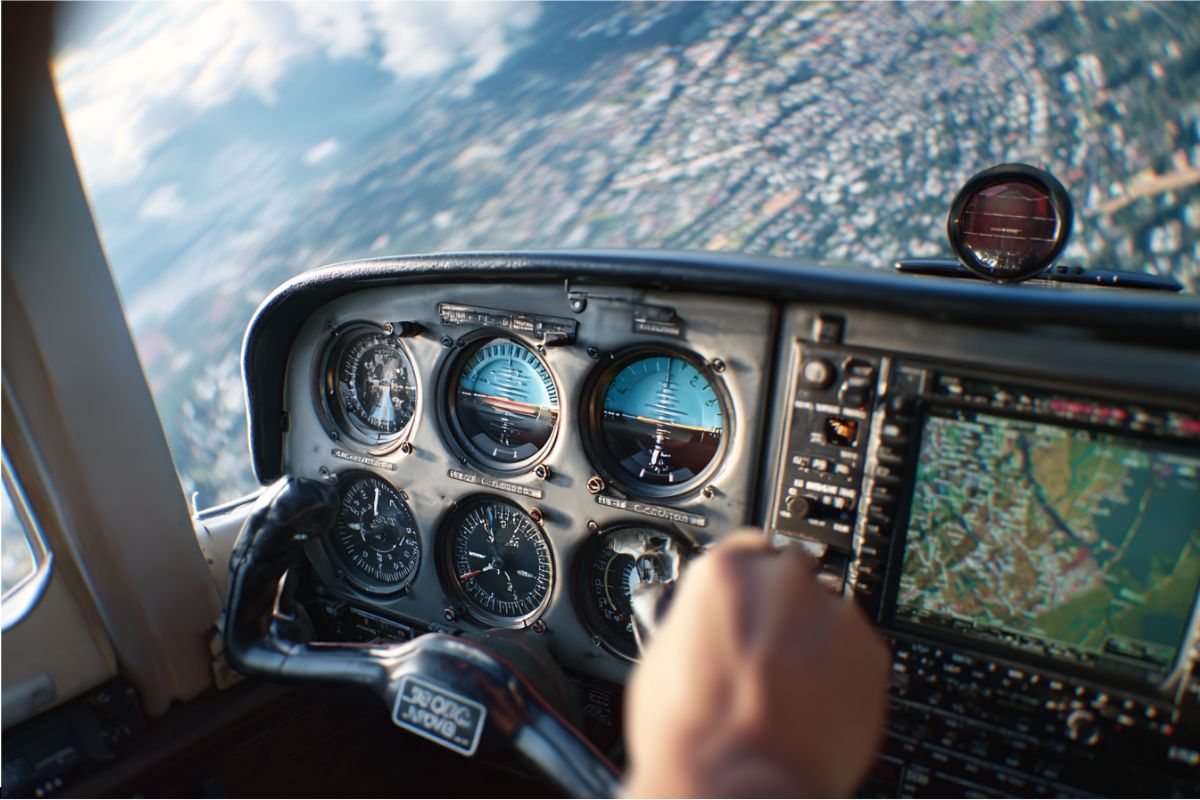
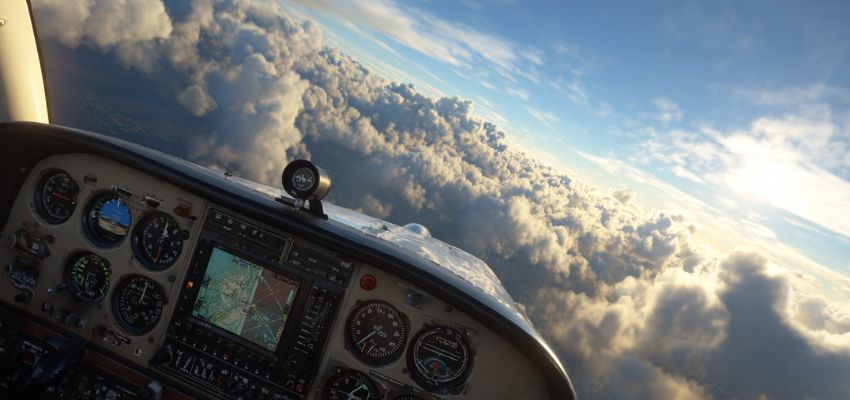
What keeps an aircraft safe while it is in the air? A pilot needs clear and fast information to know how the plane is flying. This is where the 6-pack instruments come in. These six key tools help pilots check speed, height, direction, and the way the aircraft moves.
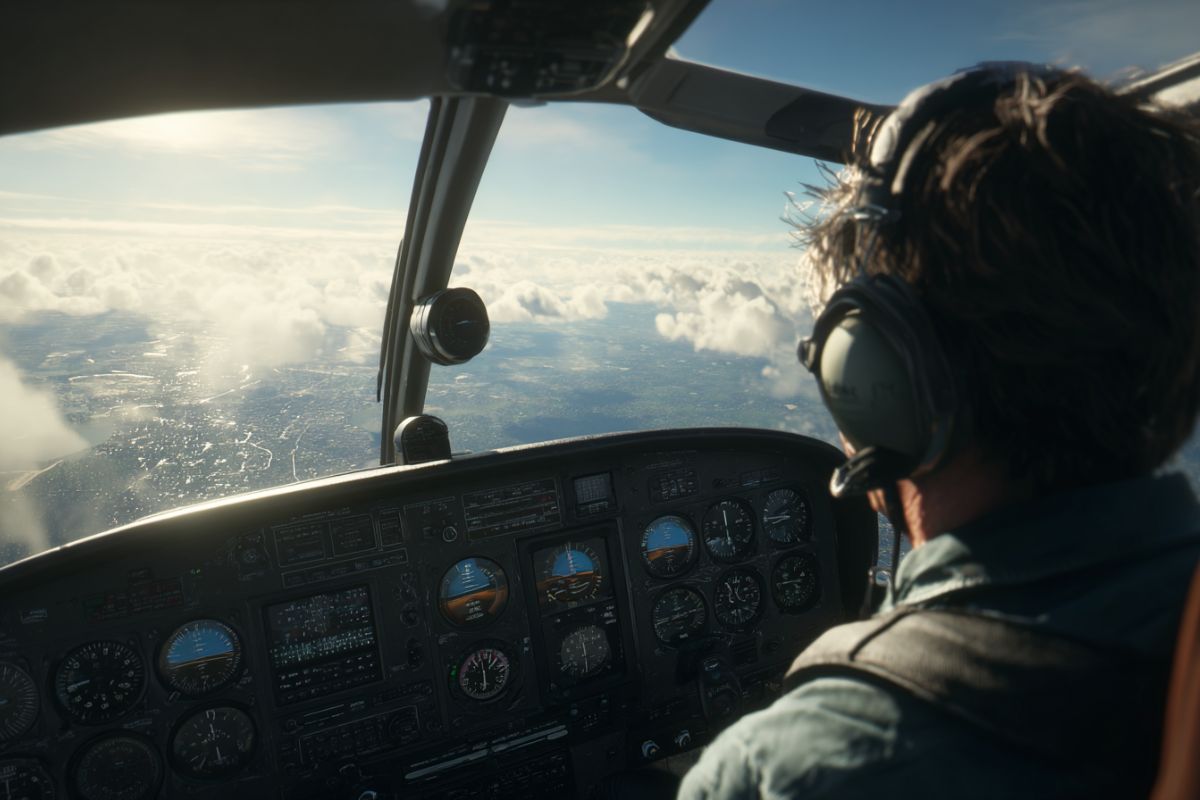
They are a key part of 6 pack aviation and help pilots fly safely, even when they cannot see the ground. But what are these six instruments, and what does each one do? In this guide, we will look at the names, uses, and importance of the six-pack instruments in a simple and easy way.
The Six Tools Pilots Need Most
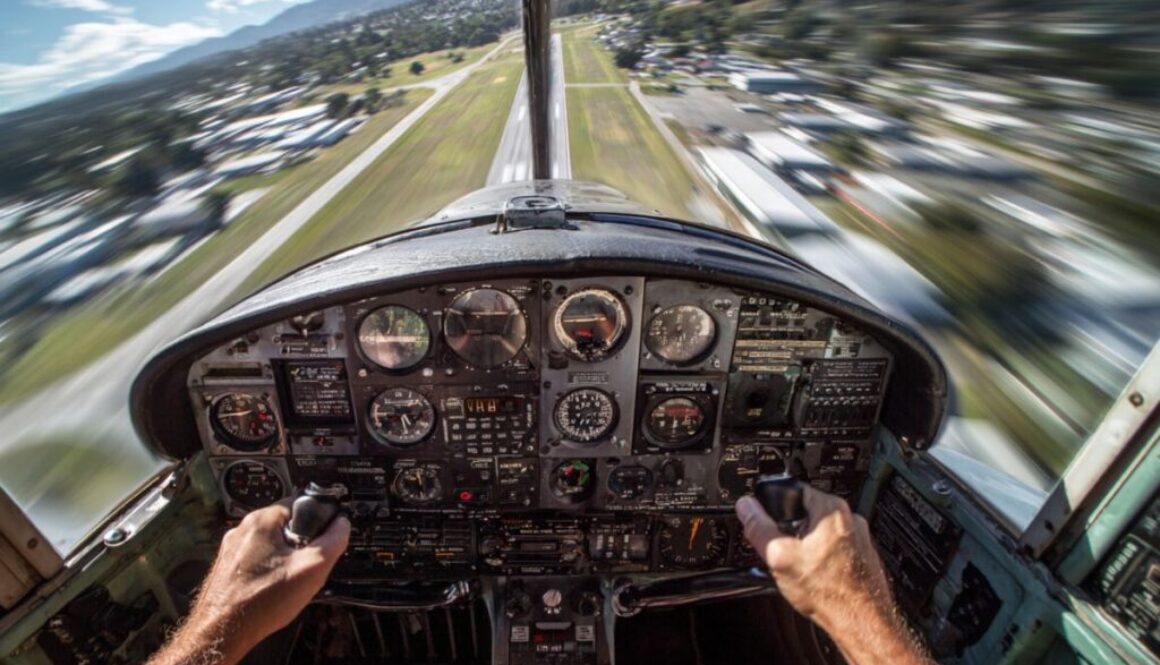
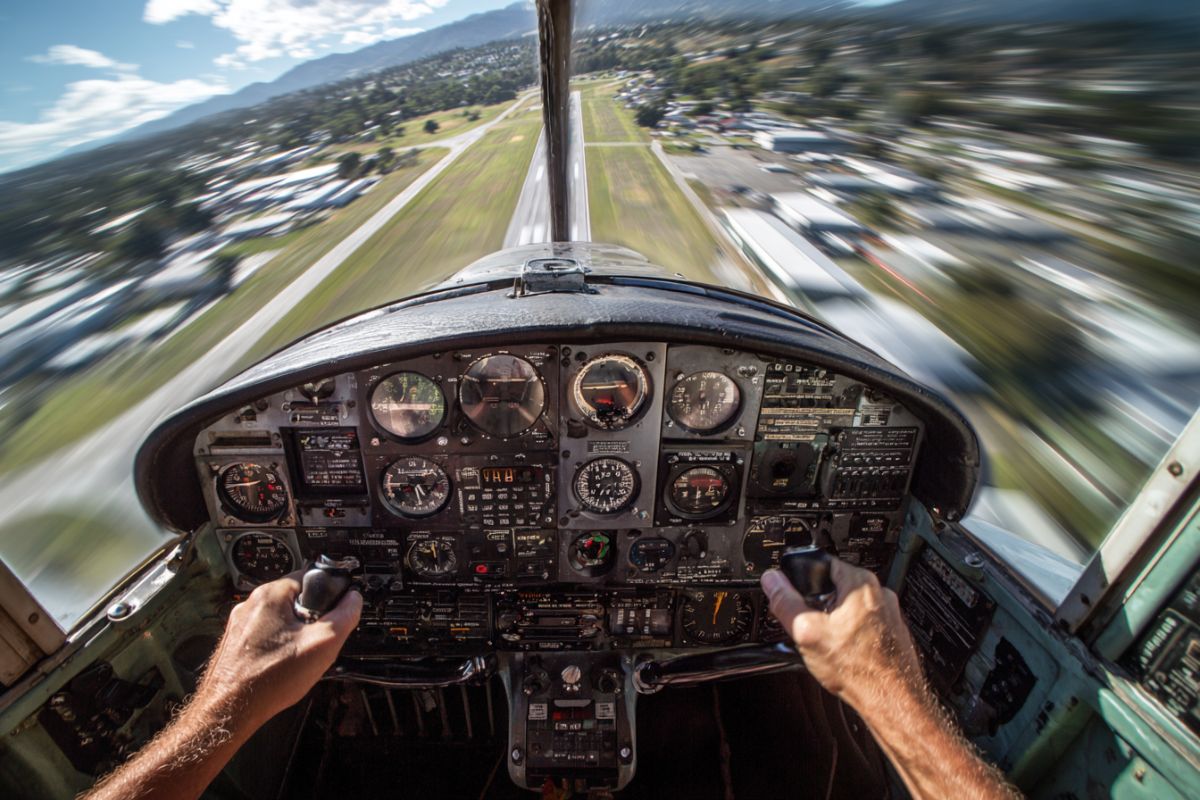
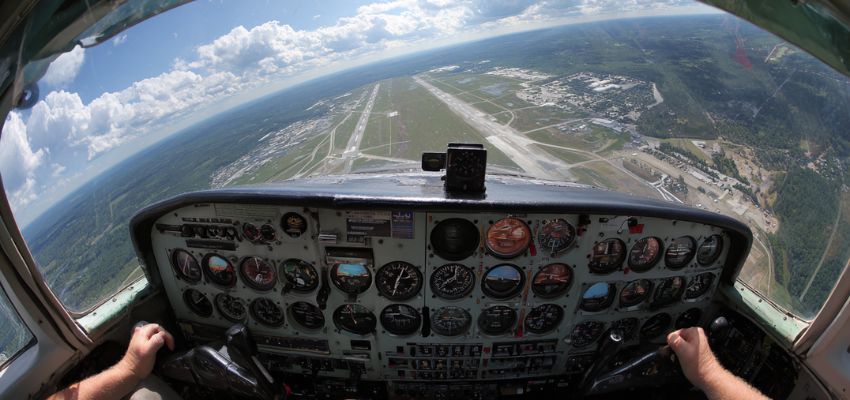
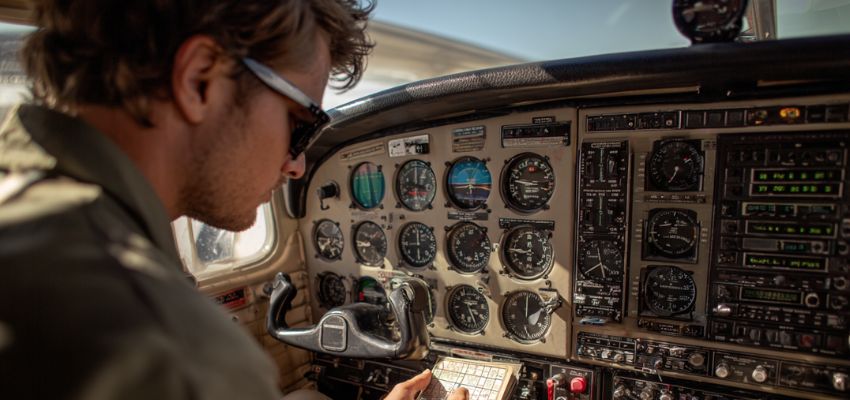
The six-pack instruments are a group of key tools found in many aircraft. They give pilots important flight data at a glance. Each tool has a different job, but they work together to help the pilot understand what the aircraft is doing.
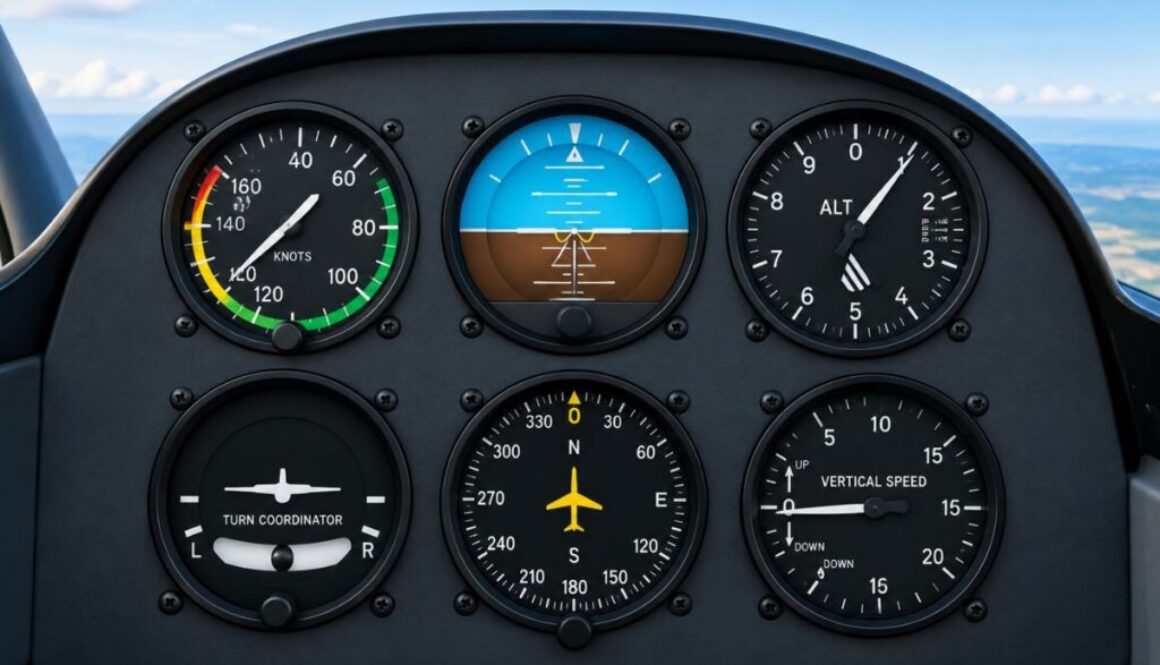
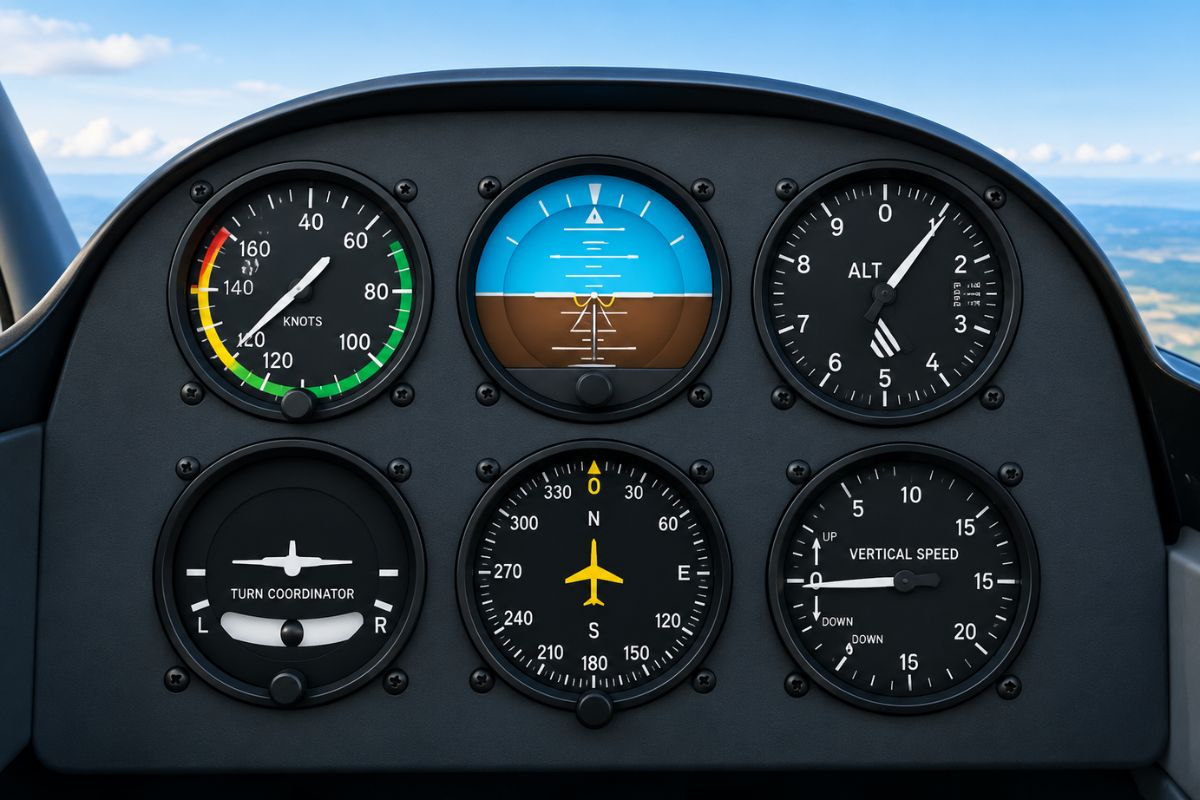
The six main tools are the airspeed indicator, altimeter, vertical speed indicator, attitude indicator, heading indicator, and turn coordinator. Why are six tools so important? A pilot must know the aircraft’s speed, height, climb, direction, and position in the air.
By checking these tools often, pilots can make safe and smart flight choices.
The Airspeed Indicator Shows Speed
The airspeed indicator tells the pilot how fast the aircraft is moving through the air. It gets data from the pitot-static system, which measures air pressure around the aircraft. The speed is often shown in knots. The dial also has colored areas that help pilots know safe speed limits.
For example, some areas show normal flight speeds, while others warn of speeds that may be too high or too low. Why does this matter? Flying too slowly can lead to a stall, while flying too fast can harm the aircraft. The airspeed indicator helps pilots stay within safe limits.
The Altimeter Tells Your Height
Knowing how high an aircraft is may sound simple, but it is one of the most important parts of flying. The altimeter shows the aircraft’s height above mean sea level. It uses air pressure to give this reading. As the aircraft climbs, air pressure drops. As it goes lower, pressure rises.
Pilots can also adjust the altimeter to match the current air pressure in their area. This helps give a more useful height reading. Why is height so important? It helps pilots keep safe space between aircraft, mountains, towers, and other objects.
A correct altimeter reading can help prevent serious flight risks.
The VSI Tracks Climb and Drop
The vertical speed indicator, or VSI, shows how fast an aircraft is climbing or going down. Its reading is usually given in feet per minute. For example, the pilot may see that the aircraft is climbing at 500 feet per minute.
The VSI responds to changes in air pressure as the aircraft moves up or down. This gives the pilot a quick view of the aircraft’s vertical movement. But there is one thing to remember: the VSI may take a short time to react.
Pilots use it with other instruments to get a full picture of the aircraft’s movement during flight.
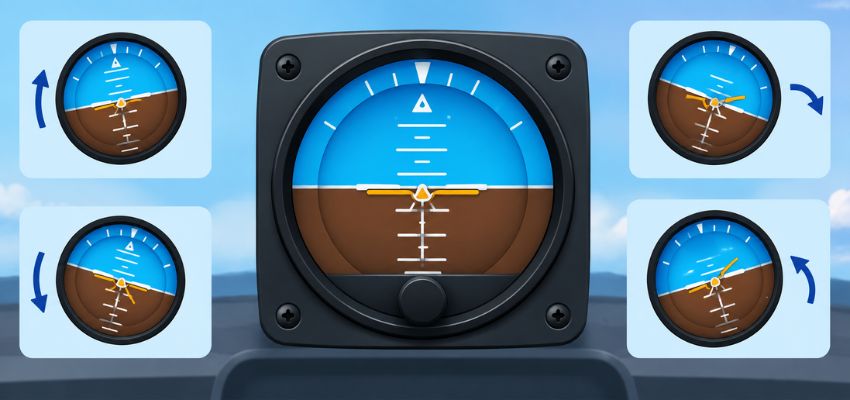
The Attitude Indicator Shows Position
The attitude indicator helps pilots see how the aircraft is positioned in the air. It shows whether the nose is pointing up or down and whether the aircraft is banking left or right. The display looks much like a small plane against a sky and ground background.
This makes it easier for pilots to understand the aircraft’s position at a glance. Why is this tool so useful? Clouds, darkness, or poor weather can make it hard to see the real horizon. The attitude indicator gives pilots a clear guide, helping them control the aircraft even when outside views are limited or unclear.
The Heading Indicator Shows Direction
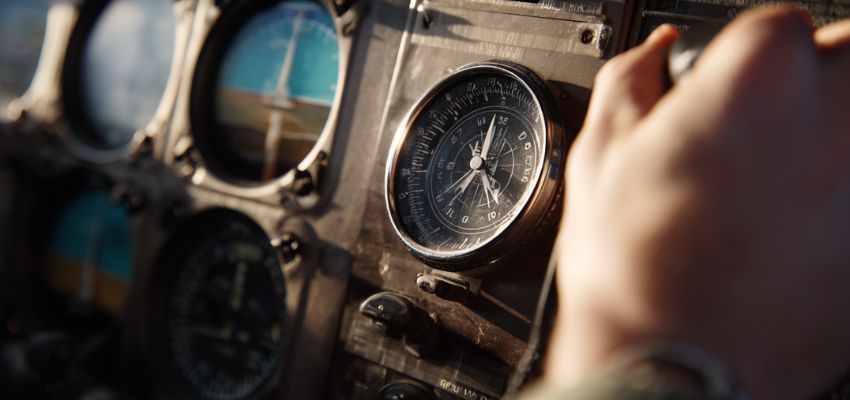
An aircraft needs more than speed and height. It also needs to know where it is going. The heading indicator helps the pilot track the aircraft’s direction. It uses a compass-style display marked from 0 to 360 degrees.
North is shown as 360 or 0, while east, south, and west have their own numbers. The pilot can use these numbers to follow a planned route. The heading indicator must also be checked and aligned with the aircraft’s magnetic compass. Why? Small errors can grow over time.
Regular checks help pilots keep the aircraft moving in the right direction throughout the flight.
The Turn Coordinator Tracks Turns
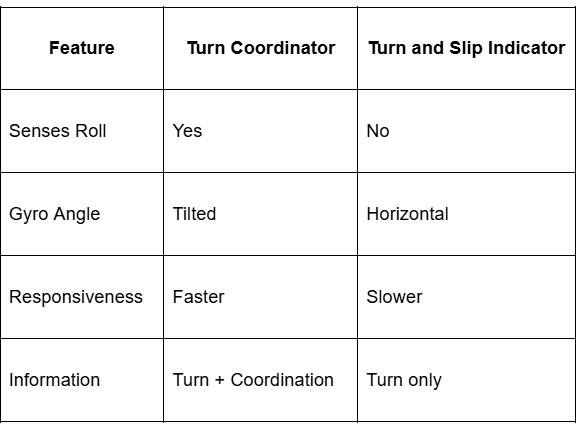
The turn coordinator helps pilots see how the aircraft is turning. It shows both the direction of the turn and how quickly the aircraft starts to roll. A small aircraft symbol on the display moves as the plane turns.
Many turn coordinators also have a small ball that shows if the aircraft is balanced during the turn. If the ball moves away from the center, the pilot may need to adjust the controls. This simple tool can provide useful information during turns.
It is important to know that the turn coordinator shows turn movement, not the exact bank angle.
How the Six Pack Gets Its Data
The six pack instruments do not all get their information in the same way. The airspeed indicator, altimeter, and VSI use the aircraft’s pitot-static system. This system measures air pressure from special ports on the aircraft.
Other instruments, such as the attitude and heading indicators, may use gyroscopes powered by vacuum, pressure, or electricity. The turn coordinator also uses a gyro system. Why should pilots care about these systems? If a system fails, more than one instrument may be affected.
Knowing where the readings come from helps pilots understand their instruments and react properly when something does not work as expected.
Why Pilots Watch More Than One
No single instrument can tell a pilot everything about a flight. That is why the six pack works as a team. The airspeed indicator gives speed. The altimeter gives height. The VSI shows climb or descent. The attitude indicator shows aircraft position.
The heading indicator gives direction, while the turn coordinator shows turning movement. Pilots compare these readings instead of relying on only one tool. This can help them spot problems early. For example, a change in attitude may also affect speed and altitude.
Looking at the full set gives pilots a better and safer view of the aircraft.
Why the Six Pack Still Matters
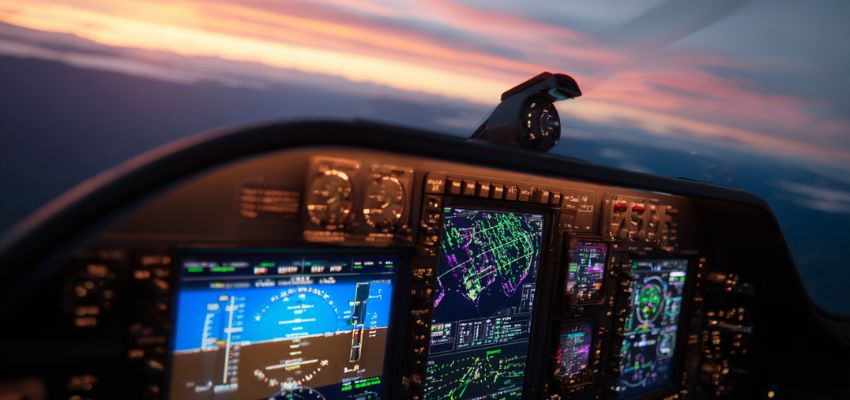
Modern aircraft may have advanced digital screens, but the basic six pack remains important in aviation training and flight knowledge. These instruments teach pilots how to understand the aircraft using key flight data.
They can also provide useful backup information when a digital system has a problem. The real value of the six pack is not just the six tools themselves. It is how they work together. A pilot can use them to watch speed, height, direction, movement, and aircraft position.
In simple terms, the six pack helps pilots know what the aircraft is doing and make better choices while flying.
FAQs
What are the 6 flight instruments used in aircraft?
The six main flight instruments are the airspeed indicator, altimeter, vertical speed indicator, attitude indicator, heading indicator, and turn coordinator.
What are the instruments in a 6-pack?
The six pack includes the airspeed indicator, altimeter, vertical speed indicator, attitude indicator, heading indicator, and turn coordinator.
What are the nicknames of the 6 basic aircraft instruments?
The six instruments are often called the six pack, or 6-pack aviation instruments, because they are grouped for quick viewing by the pilot.
What are the 7 main parts of an aircraft?
The seven main parts are the fuselage, wings, empennage (tail), landing gear, engine, propeller, and flight control surfaces.
What are the 5 C’s in aviation?
The 5 C’s are Confess, Climb, Communicate, Comply, and Continue. They are often used as a simple guide for pilots when handling an emergency or unexpected situation.
Final Thoughts
The six-pack instruments are an important part of an aircraft cockpit. They help pilots understand speed, height, direction, climb, and the aircraft’s position in the air. But these six tools are only one part of a larger aircraft system.
Pilots also use engine and navigation instruments to keep each flight safe and on course. Good instruments also need proper care, testing, and repair. This is where expert avionics service can help. Palm Beach Avionics provides aircraft maintenance, avionics repair, instrument panel fabrication, and avionics upgrades.
With FAA-approved service and NCATT-certified technicians, the team helps keep aircraft safe, reliable, and ready to fly.
40+ Years Serving South Florida in Avionics and Aircraft Maintenance
Palm Beach Avionics has been dedicated to providing top-notch avionics and aircraft maintenance services in South Florida for over four decades. Our team of highly skilled professionals takes pride in delivering exceptional quality workmanship, ensuring the safety and reliability of every aircraft we service.

Fact Checked For Accuracy
Our team has fact-checked this article for accuracy. Read about the editorial standards we employ on our website to ensure your safety and wellbeing.

About The Author
Rei Bayucca is a private jet enthusiast and professional writer. With many years of experience, she crafts articles that educate and inform her readers.