7 Key Factors That Impact Aircraft Performance Every Flight

Published July 15, 2025
As an expert at Palm Beach Avionics, I know that understanding aircraft performance is important for any pilot or aircraft owner. If you want to fly safely and get the most from your plane, it helps to know what makes a difference every time you fly. Let’s break down the main things you should watch for, using simple language, so you can be better prepared for every flight.
Key Factors That Impact Aircraft Performance
1. Air Density
Air density is about how thick or thin the air around your plane is. Things like altitude, temperature, and humidity change this. When the air is thin, like at high altitudes or on hot days, your engine doesn’t get as much power, and the wings don’t lift as well. You might need more runway to take off and may not be able to climb as fast. Pilots always plan for these changes before they fly.
2. Aircraft Weight
The total weight of your aircraft really matters. Adding passengers, bags, or extra fuel makes the plane heavier. A heavy plane takes a longer distance to take off and land, burns more fuel, and may be harder to handle. Always check your weight and make sure you’re within safe limits for your flight.
3. Runway Conditions
Not all runways are the same. A runway can be dry, wet, icy, or rough. Bad runway conditions make it harder for the tires to grip, so you may use more runway when taking off or landing. Always check the current runway reports and weather before flying.
4. Wind
Wind can work for you or against you. A strong headwind helps you take off and land in a shorter space. A tailwind, though, will make you need more runway. Crosswinds (winds from the side) can make it hard to stay straight on takeoff or landing. Knowing the wind direction and speed helps you make good, safe choices.
5. Altitude
At airports that are high above sea level, the air is thinner. This is even more of a challenge on hot days. With both height and heat, your plane won’t get as much lift, and your engine may not work as well. You’ll need to plan for longer takeoff rolls and slower climbs at high altitudes.

6. Engine Performance
Your engine’s health is key to good aircraft performance. A well-maintained engine gives you reliable power. If your engine is old or not serviced often, you may have problems, especially when the flying conditions are tough. Regular checks and maintenance keep your plane in top shape.
7. Avionics Technology
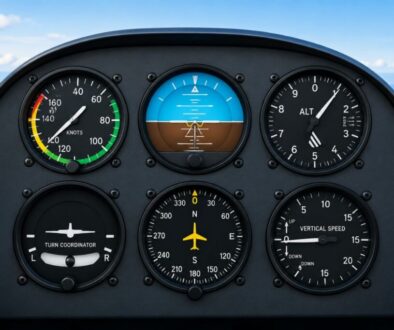
Avionics are the electronic systems in your cockpit. Modern avionics help you fly safer and smarter. With up-to-date navigation, traffic alerts, and real-time weather info, you can plan better routes and make changes quickly. Good avionics mean better fuel use, more safety, and less stress for pilots.
Palm Beach Avionics for Aircraft Performance
If you want to improve your aircraft performance, upgrading your avionics is a great idea. At Palm Beach Avionics, we focus on designing, installing, and servicing avionics systems for all types of aircraft. Whether you need a new system, a repair, or just some advice, our team is ready to help. Upgrading your avionics can give you more safety and make flights easier and more enjoyable. Let Palm Beach Avionics help your plane perform at its best.
In Summary
You can get more from your aircraft performance by watching these seven factors every time you fly. Checking your engine, using modern avionics, and keeping an eye on things like weight, air density, and runway conditions will help you fly safer and smoother. If you’re ready to upgrade or have questions, reach out to Palm Beach Avionics. We’re here to help you fly with confidence!
40+ Years Serving South Florida in Avionics and Aircraft Maintenance
Palm Beach Avionics has been dedicated to providing top-notch avionics and aircraft maintenance services in South Florida for over four decades. Our team of highly skilled professionals takes pride in delivering exceptional quality workmanship, ensuring the safety and reliability of every aircraft we service.

Fact Checked For Accuracy
Our team has fact-checked this article for accuracy. Read about the editorial standards we employ on our website to ensure your safety and wellbeing.

About The Author
Rei Bayucca is a private jet enthusiast and professional writer. With many years of experience, she crafts articles that educate and inform her readers.