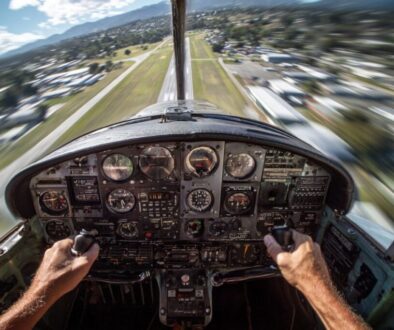
How to Read an Altimeter: Avoiding Common Pilot Errors
Published March 26, 2026
Misreading an altimeter isn’t just a small mistake, it’s a risk that can quietly build into a serious problem. Many pilots think they already know how to read altimeter instruments, yet subtle errors still happen in real flights.
So how do you read an altimeter correctly and avoid those costly misjudgments? Whether you’re learning how to read an altimeter in a plane or brushing up on fundamentals, this guide breaks it down clearly.
You’ll discover how to read altimeter in aircraft with confidence, understand common pitfalls, and sharpen your situational awareness before those numbers ever lead you astray.
Why Pilots Still Misread Altimeters
Even experienced aviators slip up when learning how to read altimeter instruments under pressure. You’re scanning gauges, talking to ATC, and managing the aircraft, so it’s easy to glance quickly and assume the reading is correct.
But what if that quick glance is wrong by 1,000 feet? That’s not rare. Many incidents stem from simple misinterpretation, not mechanical failure. Understanding how to read an altimeter in a plane isn’t just theory, it’s survival.
If you’ve ever second-guessed an instrument mid-flight, you’re not alone. This section helps you recognize why these mistakes happen and how to avoid repeating them.
The Hidden Science Behind Your Altimeter
Most pilots memorize procedures but forget the “why.” An altimeter doesn’t measure height directly, it reads pressure. As you climb, pressure drops, and the instrument translates that into altitude. Sounds simple, right? But here’s the twist, pressure changes constantly with weather.
So when you’re learning how to read altimeter in aircraft, you’re really interpreting atmospheric behavior. That means your reading is only as accurate as your settings. Think about it, would you trust a ruler that changes length every day?
That’s essentially what you’re dealing with unless you understand the science behind it.
Cracking the Code of Altimeter Hands
At first glance, an altimeter looks like a clock, but it’s far trickier. The long hand shows hundreds of feet, the short hand indicates thousands, and a tiny pointer tracks tens of thousands. Sounds manageable, until the needles cluster together.
Many pilots misread 8,900 as 9,900 feet, a costly mistake. When mastering how to read an altimeter, slow down and interpret each hand deliberately. Ask yourself, “What is each needle really telling me?” This simple habit builds accuracy.
The difference between guessing and knowing could be just one careful scan of those moving hands.
The Kollsman Window: Small Setting, Big Consequences
Here’s a bold truth: the altimeter is useless if set incorrectly. The Kollsman window adjusts for local pressure, and ignoring it can throw your reading off significantly. Imagine flying into controlled airspace while off by hundreds of feet, that’s not just an error, it’s a violation.
When learning how to read altimeter in aircraft, always include setting verification as part of the process. Pilots often rush this step, assuming it’s minor. It’s not. A properly set altimeter transforms raw pressure into meaningful altitude and keeps you safely separated from terrain and traffic.
Indicated vs True Altitude: The Dangerous Gap
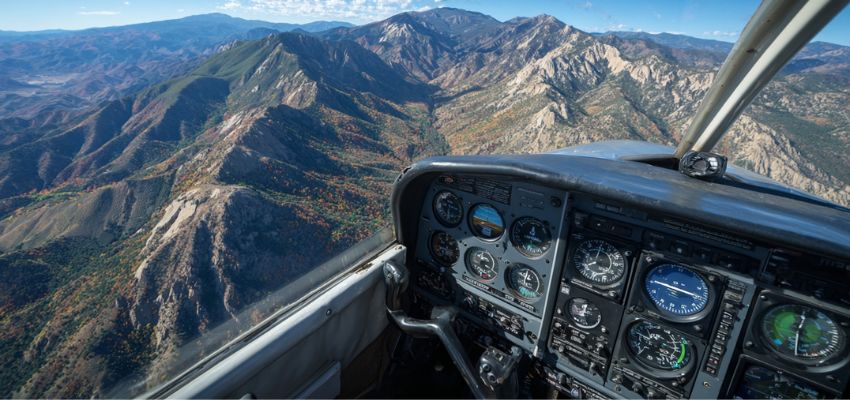
What your altimeter shows isn’t always reality. Indicated altitude depends on correct settings and standard conditions, but real-world flying is rarely standard. Temperature and pressure variations create a gap between indicated and true altitude.
On cold days, you’re often lower than you think, a chilling thought, right? When practicing how to read an altimeter in a plane, always question the reading. Is it accurate, or just approximate? This awareness helps you anticipate errors before they become hazards, especially when flying close to terrain or during critical phases like approach.
Temperature: The Silent Altitude Killer
Pilots often underestimate temperature’s impact. In cold air, pressure levels compress, meaning your altimeter may overread your actual altitude. That means you’re closer to the ground than you think. Surprising? It catches many off guard.
When refining how to read altimeter instruments, factor in temperature, especially in winter operations. Ask yourself, “Could I be lower than indicated?” That simple question can prevent disaster. Charts and corrections exist for a reason, use them.
Ignoring temperature isn’t just lazy flying; it’s a risk that quietly builds until it’s too late.
The Illusion of Precision in Analog Gauges
Altimeters look precise, but they demand interpretation. Unlike digital readouts, analog instruments require mental decoding. Under stress, your brain fills gaps and makes assumptions. That’s where errors creep in.
When learning how to read an altimeter, train your eyes to read methodically, not quickly. Start with thousands, then hundreds, then refine. Think of it like reading a clock under pressure, you wouldn’t guess the time, so don’t guess altitude.
Precision comes from discipline, not speed. The illusion of “close enough” has no place in aviation.
Real-World Scenario: A Costly Misread
Picture this, you’re descending through clouds, workload high, visibility low. You glance at the altimeter and think you’re at 3,000 feet, but you’re actually at 2,000. That 1,000-foot error could mean terrain conflict. Situations like this aren’t hypothetical, they’ve happened.
Learning how to read altimeter in aircraft means preparing for these moments. Build habits now, so they hold under stress. Double-check readings. Cross-reference instruments. Ask yourself, “Am I absolutely sure?” Because in aviation, uncertainty isn’t just uncomfortable, it’s dangerous.
Why Cross-Checking Saves Lives
One instrument should never stand alone. Smart pilots cross-check altimeter readings with vertical speed indicators, GPS altitude, or ATC instructions. Why? Because redundancy catches errors early.
When practicing how to read an altimeter in a plane, make cross-checking automatic. Don’t wait for doubt, verify proactively. It’s like proofreading an important message; a second look catches what the first missed. Aviation rewards cautious habits.
The extra second you spend verifying altitude could prevent a serious incident. Trust your instruments, but verify them relentlessly.

Build a Habit, Not Just Knowledge
Knowing how to read altimeter instruments isn’t enough, you need consistency. Under pressure, you fall back on habits, not theory. So build a routine like check settings, read each needle, confirm with other data. Repeat until it’s automatic.
Want to stand out as a safe, confident pilot? Be the one who never rushes altitude checks. It might feel slow at first, but it becomes second nature. In aviation, boldness isn’t recklessness, it’s disciplined confidence.
And that starts with mastering one simple, critical skill, reading your altimeter correctly every time.
FAQs About How to Read an Altimeter
What is the 3-to-1 rule for pilots?
The 3-to-1 rule helps pilots know when to go down before landing. For every 3 miles, you go down 1,000 feet.
How to read an accurate altimeter?
Look at all the hands and read them slowly. Make sure the pressure setting is correct so the number is right.
What are common altimeter errors?
Pilots can read the hands wrong or forget to set the pressure. Weather and cold air can also make the reading wrong.
What is the rule of thumb for altimeter setting?
Always set the altimeter before takeoff and when told by ATC. Check it often so your height stays correct.
Why don’t planes fly at 60,000 feet?
Most planes cannot fly that high because the air is too thin. Engines and people need more air to work well.
Final Thoughts
Learning how to read altimeter tools is very important for every pilot. It helps you know how high you are and keeps you safe in the sky. Always take your time, check the numbers, and make sure your setting is right.
Even a small mistake can cause big problems, so stay careful and focused. If you want extra help, Palm Beach Avionics offers trusted repairs, upgrades, and custom work for your aircraft. With skilled and certified experts, they make sure your instruments work well every time you fly.
Safe flying starts with good tools and good habits.
40+ Years Serving South Florida in Avionics and Aircraft Maintenance
Palm Beach Avionics has been dedicated to providing top-notch avionics and aircraft maintenance services in South Florida for over four decades. Our team of highly skilled professionals takes pride in delivering exceptional quality workmanship, ensuring the safety and reliability of every aircraft we service.

Fact Checked For Accuracy
Our team has fact-checked this article for accuracy. Read about the editorial standards we employ on our website to ensure your safety and wellbeing.

About The Author
Rei Bayucca is a private jet enthusiast and professional writer. With many years of experience, she crafts articles that educate and inform her readers.