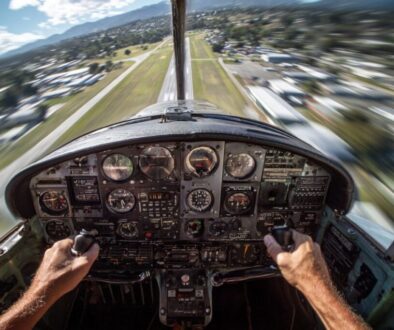
Taxiing an Aircraft: Must-Know Ground Procedures for Pilots
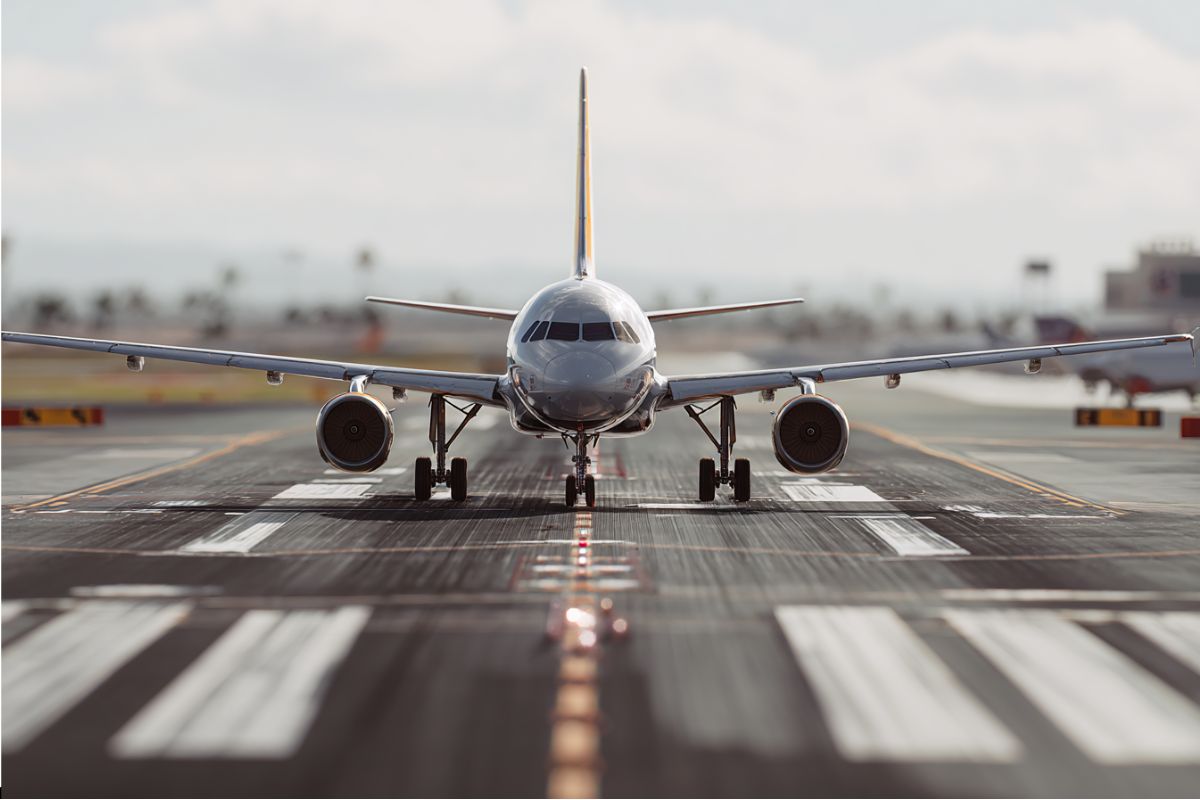
Published May 20, 2026
Ever watched a massive airplane navigate tight airport lanes and wondered how pilots avoid chaos? Taxiing, the art of moving an aircraft on the ground under its own power, is where the real challenge begins.
While taking off feels thrilling, scraping a wingtip on the tarmac is a costly nightmare. Whether you are learning the taxing meaning in airport terms or preparing your taxiing airplane for departure, mastering ground movement is critical.
This guide breaks down essential procedures for taxiing for takeoff safely. Ready to ground-check your pilot skills? Let’s dive into the rules of the runway.
Decoding the Tarmac: What is Taxiing?
Ever watched a taxiing plane and wondered who is really in control? Unlike towing, where tugs pull the aircraft, true ground movement happens under the plane’s own engine power. It is a slow, calculated crawl along designated paths.
This process excludes the high-speed acceleration of taxiing for takeoff or the intense post-landing slowdown. It is simply the art of safely navigating the airport grid between the gate and the runway.
The Critical Moments: When Do Pilots Taxi?
Airport real estate is scarce, demanding flawless timing. Once a taxiing airplane exits the runway after landing, it must clear the strip immediately so the next flight can touch down safely. Conversely, a plane cannot launch directly from the terminal gate.
It must navigate a complex network of pathways to reach the departure line. Ground movement bridges these gaps, ensuring smooth, non-stop airport traffic flow.
Navigating the Maze: Pre-Flight Ground Planning
Getting lost on the ground can be more dangerous than getting lost in the sky. Before turning the wheels, pilots study digital airport diagrams and moving maps to trace their exact route. Think of it as a highly regulated GPS for the tarmac.
Air Traffic Control (ATC) provides strict clearance for every turn, but the ultimate responsibility to avoid a multi-million-dollar wrong turn rests entirely with the pilot.
Yellow Means Taxi: Reading Tarmac Markings
Spotting the difference between paths is a matter of color psychology. Tarmac lines use strict color coding to prevent catastrophic confusion:
- Yellow Lines: Dedicated exclusively to taxiways and ground movement.
- White Lines: Reserved strictly for active runways.
- Centerlines: Single yellow stripes that pilots must keep directly beneath the nose wheel.
- Solid Edge Lines: Strict boundaries that an aircraft must never cross.
- Dashed Lines: Permissive markers indicating where a pilot can legally switch lanes.
The Stop Signs: Mastering Holding Positions
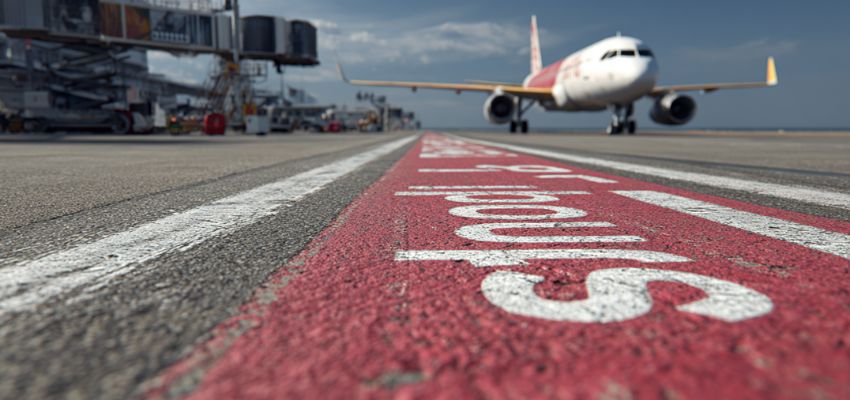
Red signs with white numbers are the ultimate stop signs of the aviation world. These markers point directly to upcoming runways and dictate exactly which direction to turn. A mistake here means entering an active runway without permission, a critical safety breach.
Pilots must hold short of these lines until they get explicit, verbal clearance from the tower, ensuring the airspace is perfectly clear.
Low Visibility Survival: The Role of ILS Lines
What happens when thick fog blinds the cockpit? Pilots rely heavily on Instrument Landing System (ILS) holding positions. These specialized, critical boundaries keep aircraft farther back from the runway than usual during heavy weather.
This extra space prevents the massive metal body of the airplane from accidentally disrupting the sensitive radio signals used by other incoming flights to land unquestioningly.
From Gate to Grid: The Pushback Transition
The journey begins with a mechanical handoff. While parked at the gate, the aircraft remains tethered to heavy ground power units. A specialized tug vehicle physically pushes the aircraft backward into the open apron.
Only when the plane is safely clear of the tight gate structure does the tug detach. The pilot then fires up the main engines, takes full control, and initiates independent ground movement.
Speed and Power: The Physics of Ground Control
Moving a massive jet requires surprising restraint. Pilots typically apply a gentle 7% engine thrust to break inertia, aiming for a steady, cautious speed limit of around 30 knots. They calculate the precise ground transit time by measuring the exact distance from the gate to the runway tip. Advanced cockpit technology allows the pilot to steer the nose wheel directly, ensuring pinpoint accuracy.
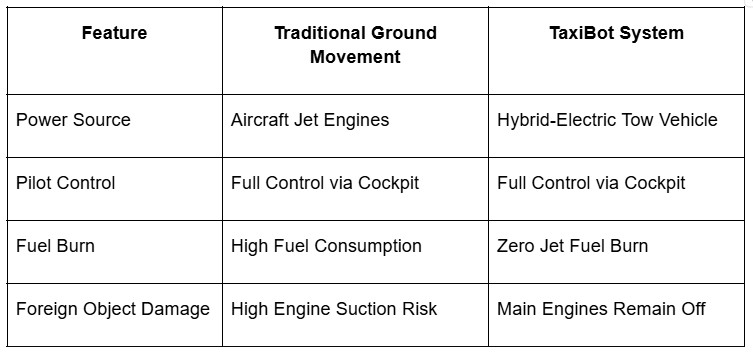
Human Error vs. Technology: The TaxiBot Revolution
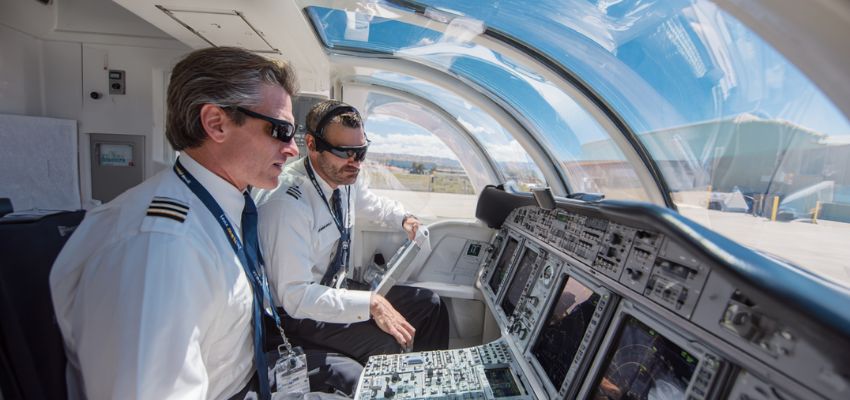
Perfecting Your Ground Game: Professional Flight Training
Mastering ground maneuvers requires elite situational awareness and deep technical training. Minor ground errors can lead to severe FAA violations or expensive structural damage. Aspiring aviators must practice these precise steering and communication drills under the guidance of certified flight instructors. Enrolling in a professional flight academy ensures you build the sharp habits required to command the tarmac safely and confidently.
FAQs About Taxiing and Aviation Safety
What are the 5 C’s in aviation?
The 5 C’s are climb, communicate, confess, comply, and conserve to help lost pilots. These simple steps keep a pilot safe when they do not know where they are.
What is the taxiing process?
The taxiing process is when a taxiing plane moves on the ground using its own engine power. A pilot drives the taxiing airplane slowly along the yellow lines to get into position or reach the gate.
What are the 7 steps of a flight?
The steps are taxi-out, taxiing for takeoff, takeoff, climb, cruise, descent, and landing. This covers everything from the moment the plane leaves the gate until it stops at the next airport.
What are the safety procedures in an aircraft?
Pilots must listen to air traffic control and check their maps before moving. They must also watch for bright signs and follow the yellow lines on the ground perfectly.
What are the 7 basic safety rules?
Basic rules include wearing seatbelts, checking the weather, and looking out for other airplanes. Pilots must also know the taxing meaning in airport signs, check their fuel, follow speed limits, and obey all stop lines.
Final Thoughts
Moving a big plane on the ground is just as important as flying high in the sky. Pilots must stay very focused, look out the window, and follow the yellow lines perfectly to keep everyone safe. It takes a lot of practice to learn all the signs, speeds, and radio rules.
If you want to keep your cockpit screens and safety tools working perfectly, Palm Beach Avionics can help. Their expert FAA-approved team repairs, upgrades, and installs top-notch navigation gear to keep you safe on the ground and in the air.
40+ Years Serving South Florida in Avionics and Aircraft Maintenance
Palm Beach Avionics has been dedicated to providing top-notch avionics and aircraft maintenance services in South Florida for over four decades. Our team of highly skilled professionals takes pride in delivering exceptional quality workmanship, ensuring the safety and reliability of every aircraft we service.

Fact Checked For Accuracy
Our team has fact-checked this article for accuracy. Read about the editorial standards we employ on our website to ensure your safety and wellbeing.

About The Author
Rei Bayucca is a private jet enthusiast and professional writer. With many years of experience, she crafts articles that educate and inform her readers.