The Importance of a Turn Coordinator in Aircraft Navigation

Published May 6, 2026
Ever wondered how pilots keep an aircraft steady when visibility drops and instincts aren’t enough? Many aspiring aviators struggle to fully understand the instruments that quietly keep flights safe, especially the turn coordinator.
This small yet powerful device plays a critical role in maintaining proper orientation and balance in the air. In this guide, we’ll break down why it matters, how it compares to similar instruments, and what pilots need to know to use it effectively.
If you’ve ever been confused by cockpit indicators, you’re not alone, so let’s clear the air and dive into what makes this instrument indispensable.
Why Pilots Still Depend on the Turn Coordinator
Every pilot remembers the first time they lost visual reference and felt disoriented. It’s unsettling and dangerous. That’s where the turn coordinator becomes a quiet lifesaver. It tells you not just that you’re turning, but how well you’re doing it.
Without it, even experienced pilots can misjudge motion. Why does this matter? Because human senses are unreliable in flight. The turn coordinator bridges that gap, offering clarity when your body lies to you.
It’s not just another gauge, it’s your backup sense of balance when the horizon disappears and your instincts start working against you.
What Exactly Is a Turn Coordinator?
It is uncomplicated at first sight; a small airplane symbol and a rolling ball. But don’t let its size fool you. The turn coordinator is a dual-purpose device that indicates the rate of turn and whether the aircraft is coordinated. Imagine it as a cockpit coach in real-time.
It provides answers to two important questions, Am I turning correctly and Am I balanced? Novices often mix it with the older tools, yet the realization of this tool opens the way to smoother and safer flying.
And should you ever find yourself wondering why your turns have a hitch, then this device is commonly where the truth is discovered.
How the Turn Coordinator Actually Works
Behind that simple display lies clever engineering. The instrument uses a gyroscope tilted at an angle, allowing it to sense both roll and turn rate. When the aircraft banks, the miniature airplane responds almost instantly. It’s not magic, it’s physics in action.
Ever heard of precession? That’s the force making it all possible. The result is a clear, immediate visual cue that helps pilots react quickly. Without needing complex calculations, you can see your motion.
It’s one of those rare cockpit tools that turns advanced physics into something intuitive and usable in seconds.
Breaking Down the Key Components
Understanding each part makes the turn coordinator far less intimidating. Here’s what you’re really looking at:
- Miniature Airplane: Shows direction and rate of turn
- Index Marks: Help identify standard-rate turns
- Inclinometer (Ball): Reveals slip or skid conditions
- Power Indicator Flag: Warns if the instrument fails
Each piece serves a purpose, working together to give a complete picture. Ignore one, and you miss half the story. The real skill? Reading them all together, quickly and accurately, especially under pressure when every second counts in flight.

The Truth About Standard Rate Turns
Here’s something that surprises many learners, not all turns are equal. A standard rate turn, three degrees per second, sounds technical, but it’s essential for navigation. Why? Because it ensures predictable, controlled movement, especially in low visibility.
The turn coordinator helps you hit this “sweet spot” effortlessly. Align the miniature airplane with the marks, and you’re there. But here’s the twist, your speed changes everything. Faster aircraft need steeper banks to maintain that same rate.
It’s a balancing act, and mastering it separates confident pilots from those who are constantly second-guessing.
Turn Coordinator vs Turn and Slip Indicator
This comparison often confuses beginners, and for good reason, they look similar. But the differences matter more than you think.
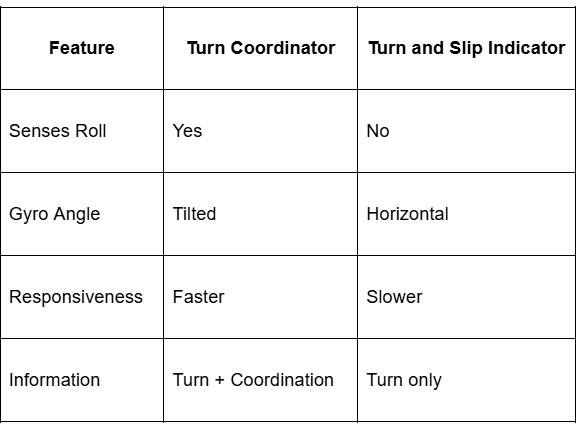
So which is better? The turn coordinator wins in most modern cockpits because it gives more insight. If you’ve been relying on outdated assumptions, this distinction could completely change how you interpret your instruments.
Understanding Slip and Skid Like a Pro
“Step on the ball.” It’s one of the most repeated phrases in aviation, but what does it really mean? The inclinometer ball tells you if your turn is coordinated. If it drifts, something’s off. A slip means you’re not using enough rudder.
A skid? Too much. Sounds simple, yet many pilots struggle here. Why? Because it requires instinct and quick correction. The turn coordinator doesn’t just show errors, it trains you to feel them.
Once mastered, your turns become smoother, safer, and far more precise, even in challenging conditions.
Why Pilots Misread This Instrument
Here’s a bold truth: many pilots don’t fully trust or understand their turn coordinator. Some rely too heavily on visual cues, while others misinterpret the indications entirely. Ever chased the needle instead of stabilizing the aircraft? You’re not alone.
The problem isn’t the instrument, it’s how it’s used. Misreading it can lead to overcorrection, unstable turns, and even dangerous situations. The solution? Slow down, interpret the full picture, and stop treating it as a secondary tool.
When used correctly, it becomes one of the most reliable instruments in your scan.
Visualizing the Turn Coordinator Diagram
A clear turn coordinator diagram can transform confusion into clarity. When you see labeled parts, gyro, gimbal, ball, and markings, the instrument suddenly makes sense. It’s like going from guessing to understanding.
Diagrams reveal relationships you might miss in flight, especially how movement translates into indication. If you’ve struggled to “connect the dots,” this is your breakthrough moment. Studying the layout builds confidence before you even step into the cockpit.
And once you recognize each element instantly, interpreting the instrument becomes second nature rather than a mental struggle.
Is the Turn Coordinator Becoming Obsolete?
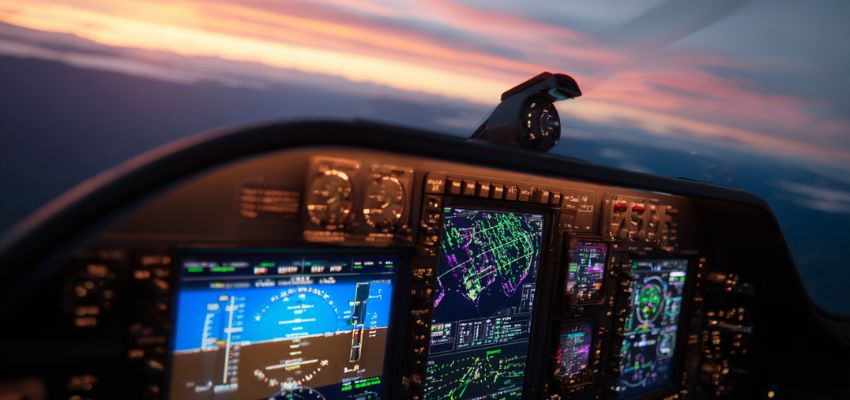
With modern glass cockpits and digital systems, you might wonder. Is the turn coordinator fading away? Surprisingly, not entirely. While advanced displays now integrate similar data, the core function, especially the slip/skid indicator, remains essential.
Technology evolves, but the need for reliable backup instruments doesn’t disappear. In fact, many pilots argue that simpler tools are more trustworthy in emergencies. So while its role may change, its importance hasn’t vanished.
The real question isn’t whether it’s obsolete, it’s whether pilots will continue valuing the fundamentals it represents in an increasingly automated world.
FAQs About Turn Coordinator
What is the purpose of a turn coordinator?
A turn coordinator helps the pilot see how the plane is turning and if it is balanced. It makes flying safer by showing clear and simple movement.
What does 2 minutes mean on the turn coordinator?
It means the plane can make a full turn in 2 minutes. This is called a standard and smooth turn.
Can you fly without a turn coordinator?
Yes, but it is harder and less safe, especially in bad weather. Pilots need other tools and skills to stay in control.
Why are coordinated turns important?
Coordinated turns keep the plane steady and smooth in the air. They help stop slips and skids that can be dangerous.
What happens if a turn coordinator fails?
The pilot will not see clear turn and balance info from it. They must use other instruments to keep the plane safe.
Final Thoughts
Learning about the turn coordinator early is a smart step for every pilot. It may look small, but it helps keep your turns smooth and safe by stopping slips and skids. When you understand how it works, flying feels easier and more controlled.
You don’t have to rush, take time to practice and learn each part. If you want help with your aircraft instruments, Palm Beach Avionics can support you. They offer repairs, upgrades, and custom work to keep your plane ready.
With the right tools and knowledge, you can fly with more confidence every time.
40+ Years Serving South Florida in Avionics and Aircraft Maintenance
Palm Beach Avionics has been dedicated to providing top-notch avionics and aircraft maintenance services in South Florida for over four decades. Our team of highly skilled professionals takes pride in delivering exceptional quality workmanship, ensuring the safety and reliability of every aircraft we service.

Fact Checked For Accuracy
Our team has fact-checked this article for accuracy. Read about the editorial standards we employ on our website to ensure your safety and wellbeing.

About The Author
Rei Bayucca is a private jet enthusiast and professional writer. With many years of experience, she crafts articles that educate and inform her readers.